Mary Mangani's story
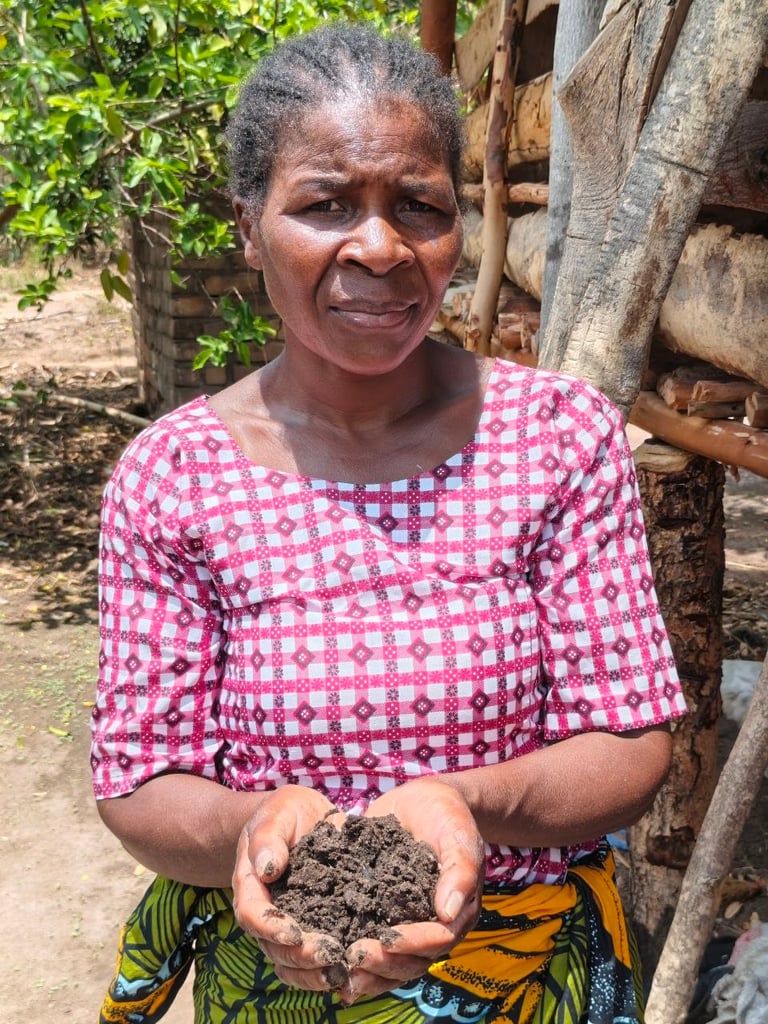
Mary is a Lead Farmer from Muhaniwa village , Mlawi and is affectionately known in her community as the “soil doctor”. Mary trains a cohort of 15 follower farmers in low-cost, locally adapted soil-improvement techniques. Her leadership is paving a path for community-driven knowledge exchange which can lead to meaningful and lasting change.
Felix Mithi's story
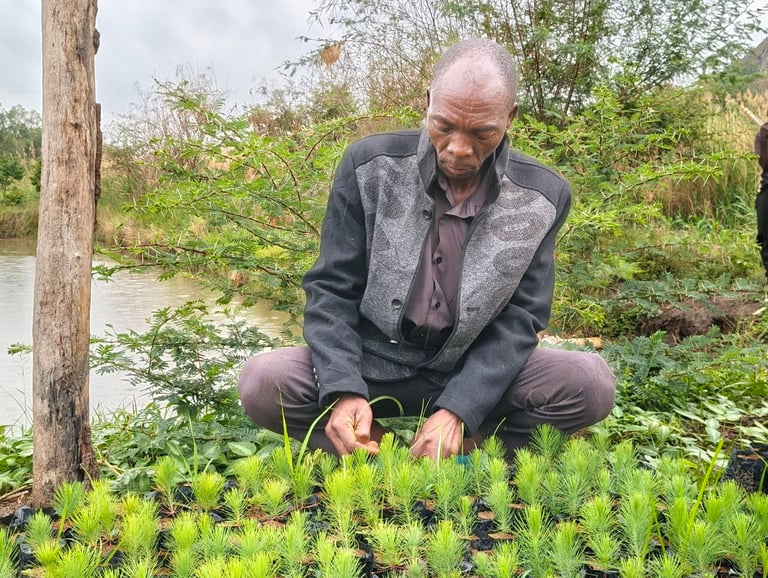
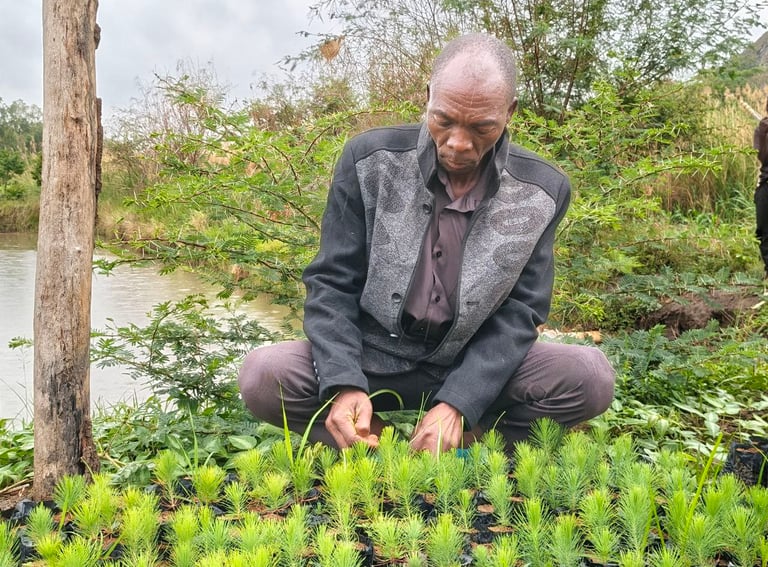
Land preparation decisions are increasingly guided by strengthened climate information co-produced as part of the ARCS project. Felix Mithi, an ARCS Lead Farmer, is at the forefront of this transition to climate-informed agriculture. Supported by the Centre for Environmental Policy and Advocacy (CEPA) and the Farmers Union of Malawi (FUM), he is guiding fellow farmers to make smarter decisions based on timely forecasts.
Christina Kamtuliro's story
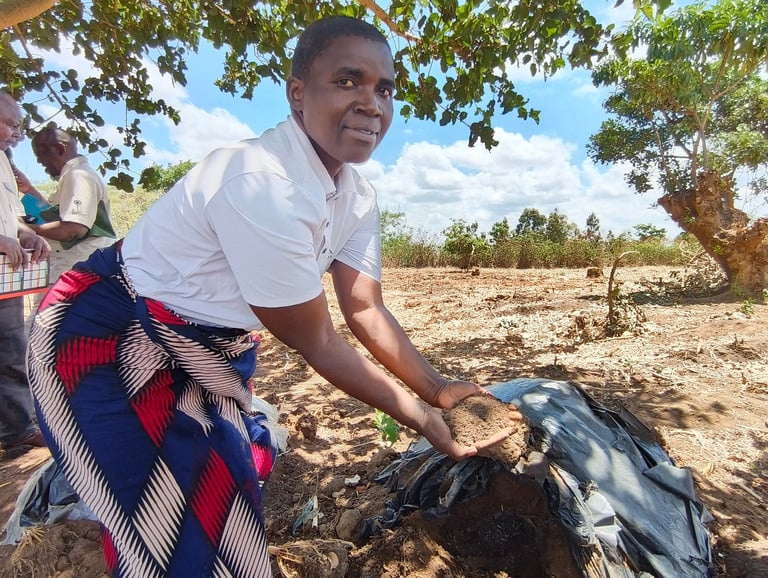
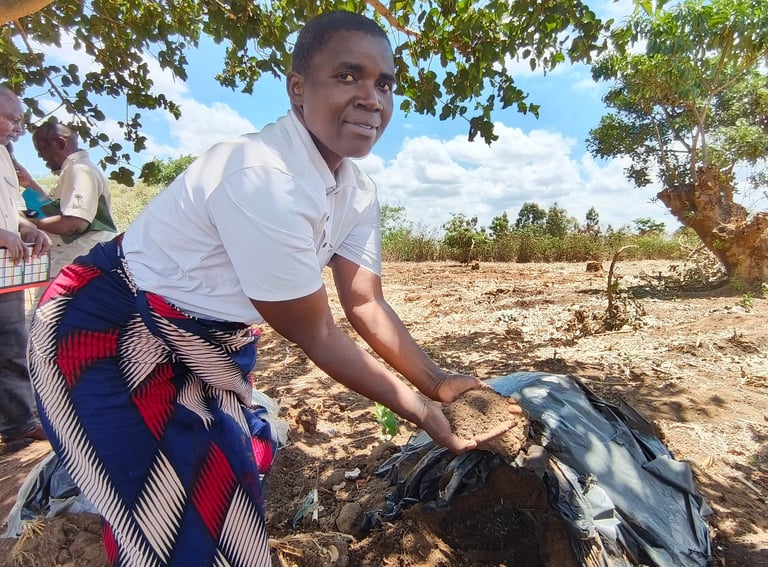
Christine is a Lead Farmer from Mawalu Village in Ntchisi District, Malawi, widely recognised in her community for promoting practical, climate-smart farming solutions. Under the ARCS Consortium Project, she supports fellow farmers to produce “black gold”—a nutrient-rich organic manure that improves soil health and moisture retention. By combining these locally driven practices with timely climate information, Christine is helping households adapt to unpredictable weather and rising input costs.
Elina Ngwira's story
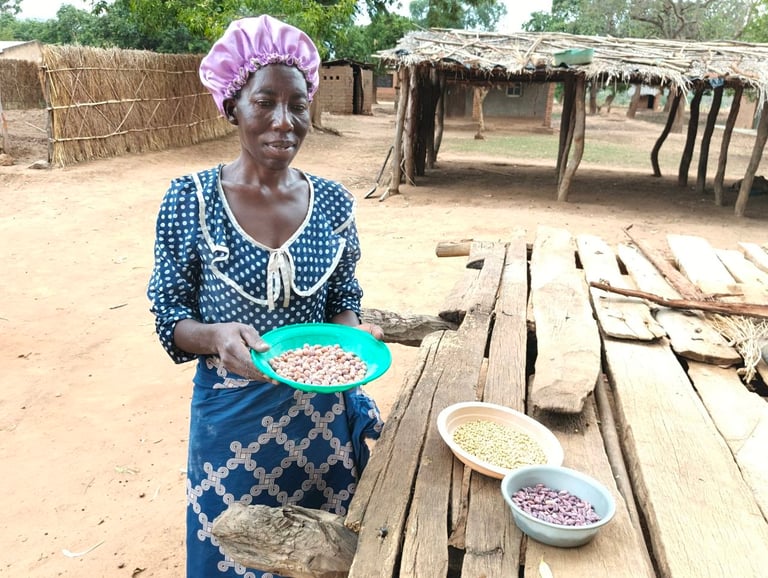
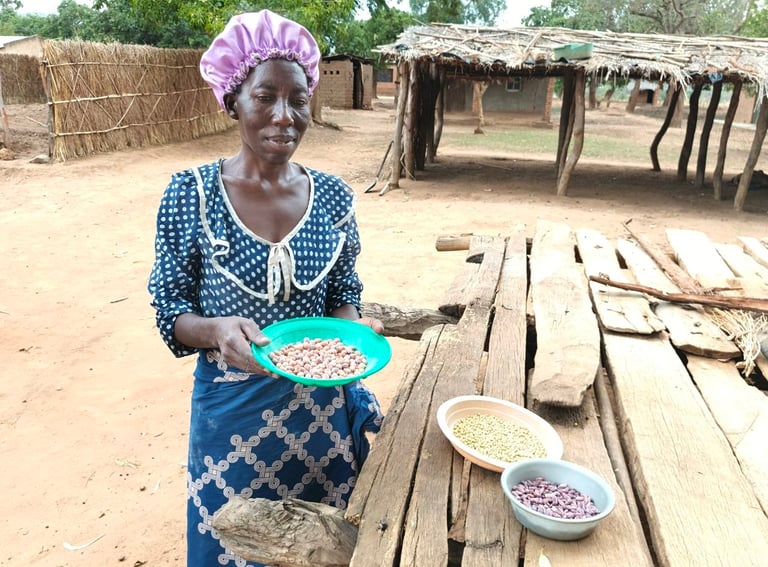
Elina Ngwira is a Lead Farmer from Rumphi District in northern Malawi, where she is helping smallholder farmers adapt to increasingly unpredictable climate conditions. Drawing on climate information services, improved soil management, and crop diversification, Elina demonstrates how practical, farmer-led solutions can strengthen resilience, secure harvests, and protect livelihoods in a changing climate.
ARCS at the First AfMS Conference
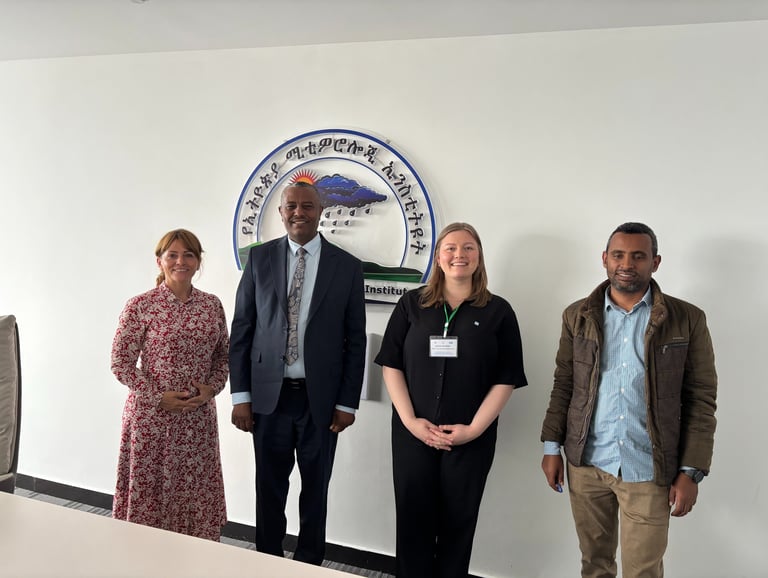
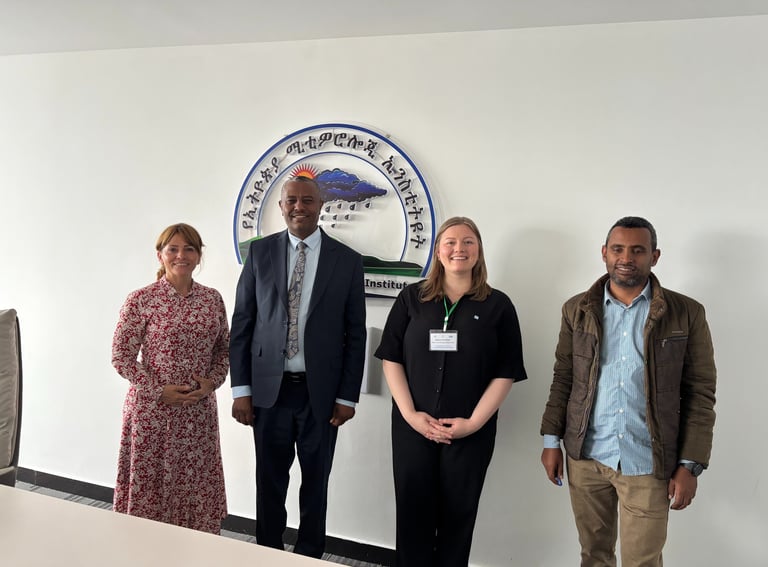
ARCS joined partners at the first joint African Meteorological Society Conference in Addis Ababa to explore how climate information can better support agricultural resilience. Through learning from ARCS activities, engagement with key partners, and discussions on strengthening climate services, the story highlights how trusted forecasts, co-developed services, and institutional partnerships can help turn climate data into practical action for food security, livelihoods, and resilience.