Felix Mithi, an ARCS Lead Farmer, is at the forefront of this transition to climate-informed agriculture. Supported by the Centre for Environmental Policy and Advocacy (CEPA) and the Farmers Union of Malawi (FUM), he is guiding fellow farmers to make smarter decisions based on timely forecasts. Standing in his field, Felix reflects on a time when communities relied solely on indigenous knowledge, using the first rains as their cue to begin tilling and planting. Now, farmers blend these traditional observations with seasonal advisories issued by the Department of Climate Change and Meteorological Services (DCCMS), giving them greater certainty in their decisions.
“We follow the early rains, but we also wait for the forecast. Climate information helps us avoid the mistakes we used to make.”
On his demonstration plot, Felix showcases a range of climate-smart practices that more farmers are adopting each season. Among the most transformative is the increased use of “Mbeya” organic manure, widely seen as a breakthrough in restoring soils that have gradually lost fertility. Felix notes how soils that once hardened quickly after rainfall now retain moisture for much longer, giving crops a better chance to withstand prolonged dry spells.
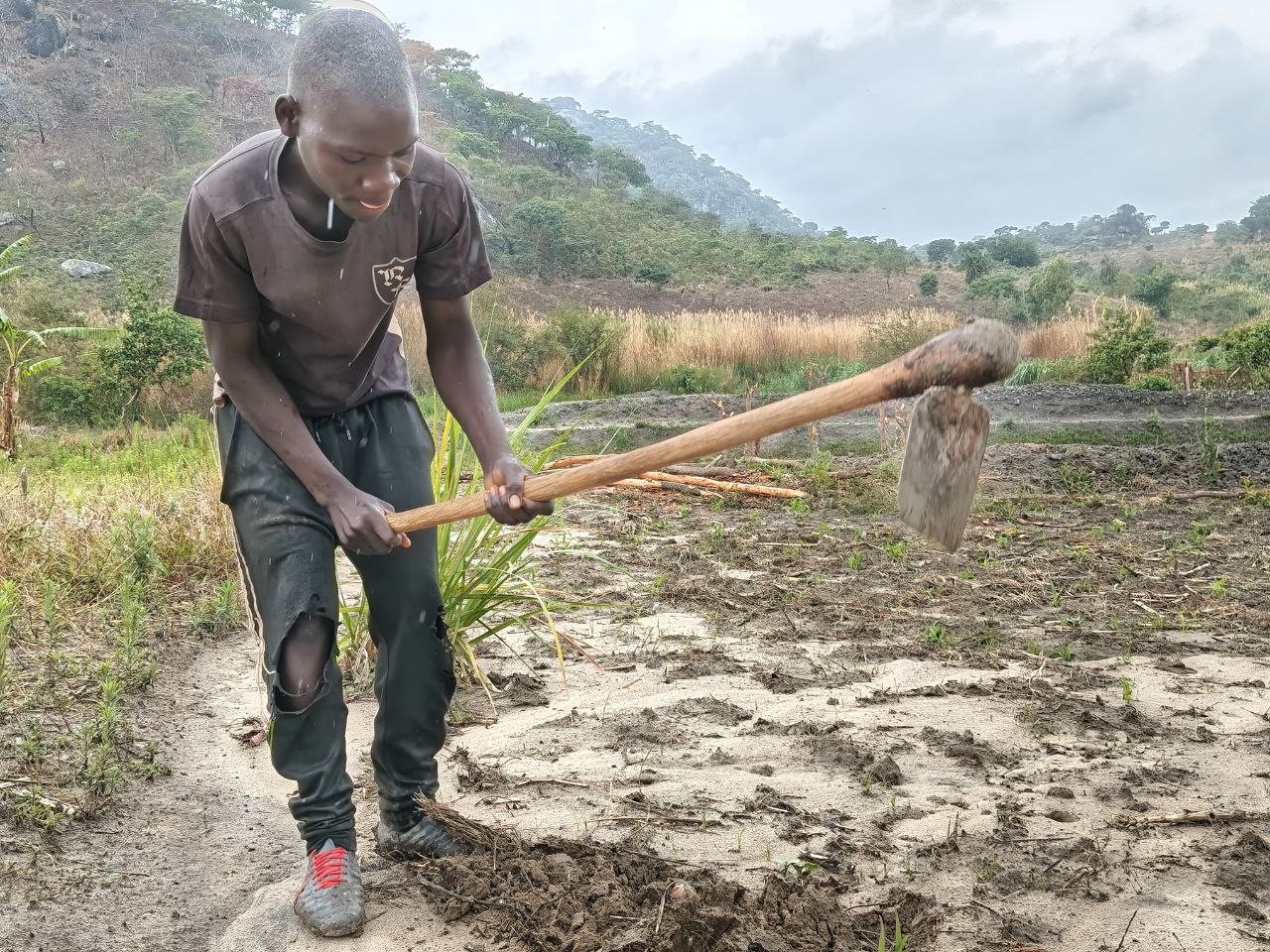
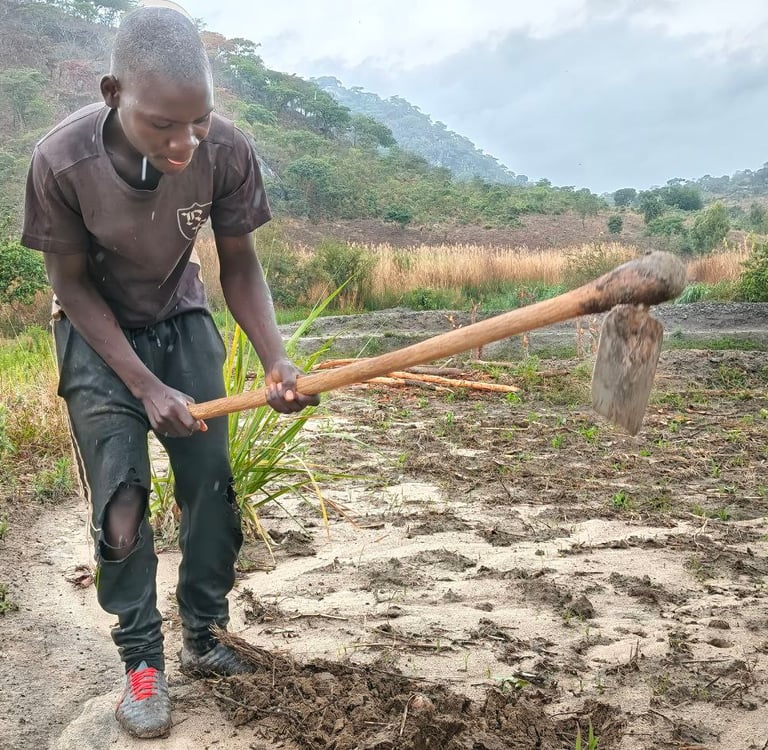
Farmers in Mzimba prepare their fields as the first rains signal the start of the agricultural season. © Mikaïla Issa (NORCAP)
As the first rains sweep across Mzimba, Malawi’s largest district in the Northern Region, farmers begin preparing their fields for the 2025/26 agricultural season. In the past, the arrival of early rains alone signaled the start of fieldwork. Today, however, land preparation decisions are increasingly guided by strengthened climate information co-produced as part of the Agricultural Resilience through Climate Services (ARCS) Consortium Project.
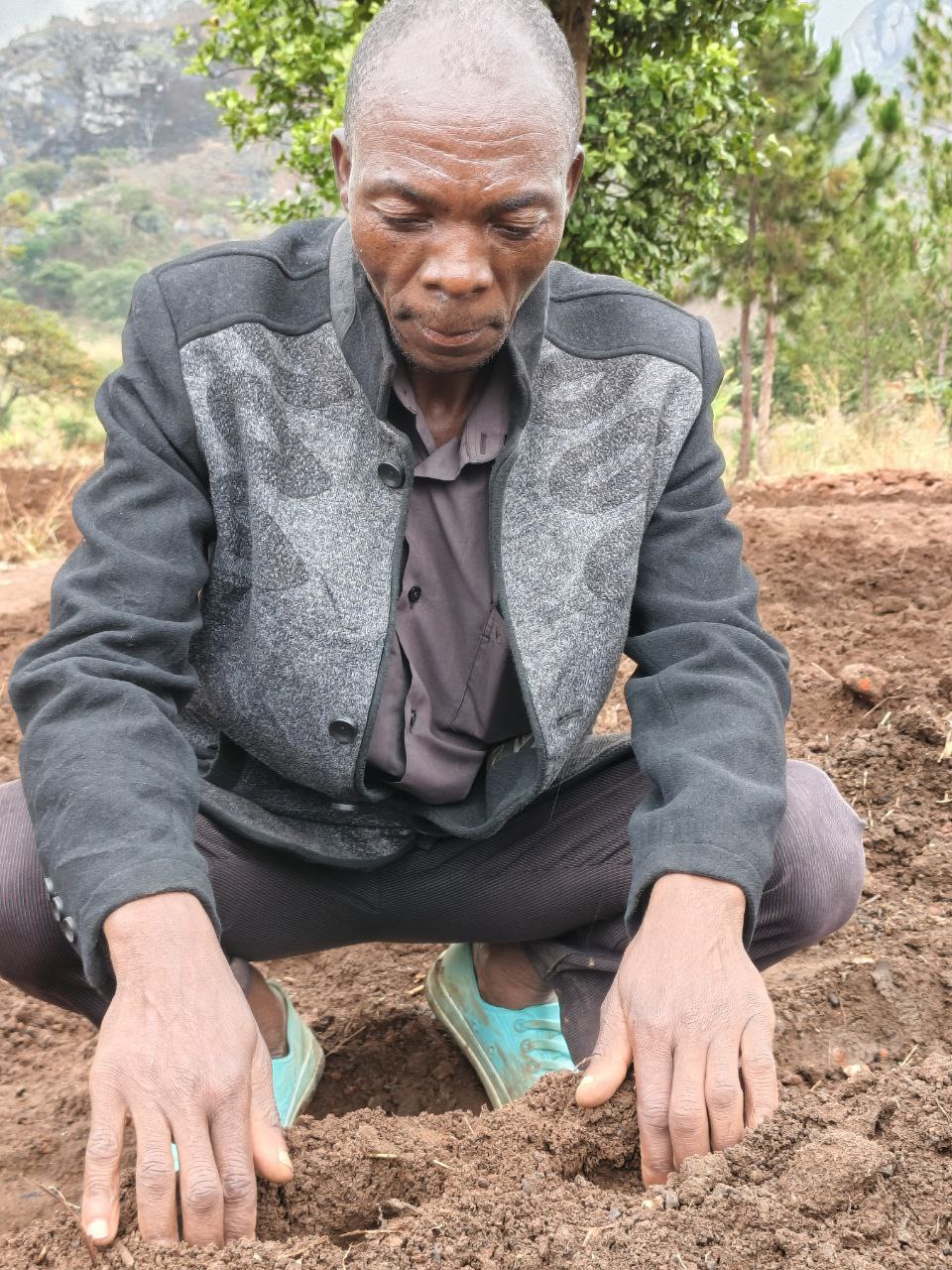
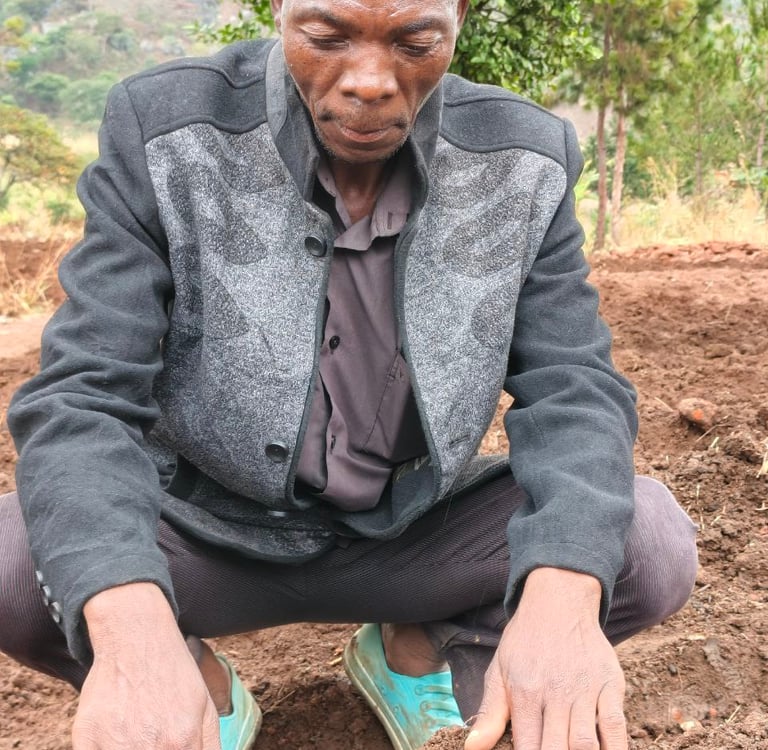
ARCS Lead Farmer Felix Mithi supports his community in making climate-informed farming decisions. © Mikaïla Issa (NORCAP)
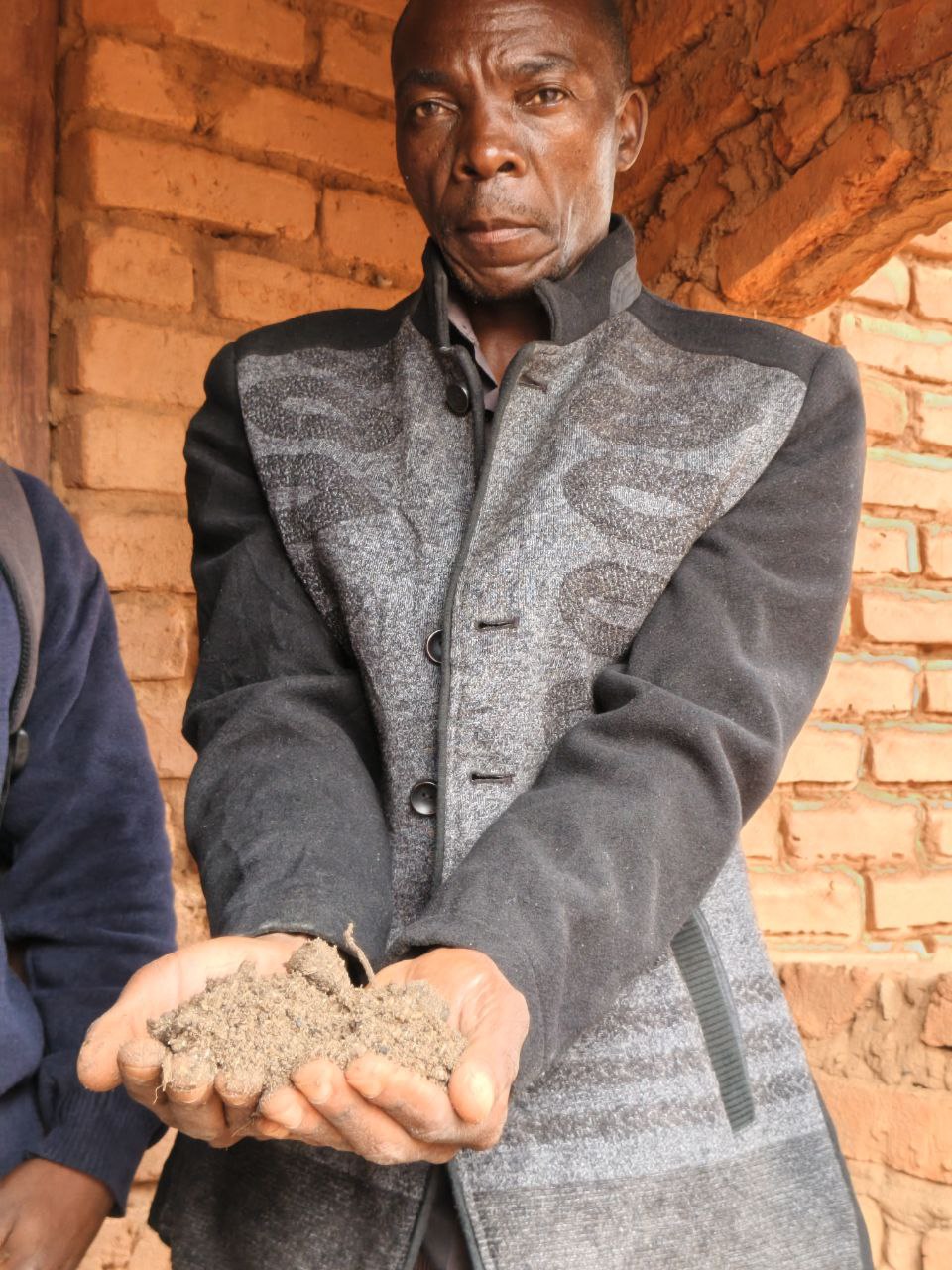
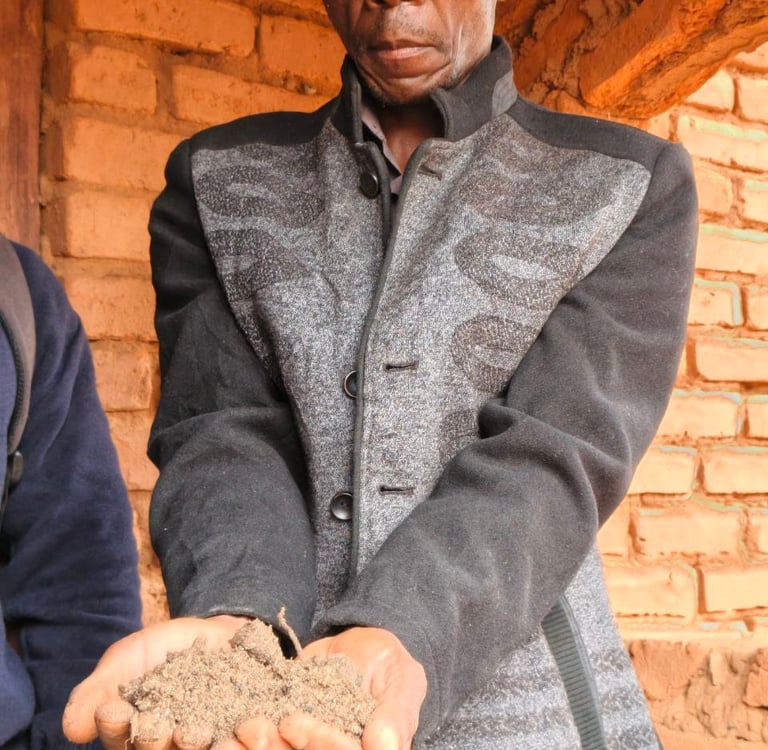
“Using organic manure feels like restoring the life and strength of our soil,” he says. The practice is also cost-effective. Just four 50 kg bags of Mbeya manure can fertilize one acre, offering an affordable alternative for households struggling with rising commercial fertilizer prices.
Felix demonstrates the use of Mbeya organic manure to restore soil health and improve moisture retention. © Mikaïla Issa (NORCAP)
But Mzimba’s adaptation journey extends beyond soil fertility. Farmers are reinforcing their fields with contour and box ridges that help capture and retain every drop of rain in a district where rainfall is increasingly unpredictable. These structures reduce erosion, preserve soil moisture, and help ensure that even when rains delay or dry spells hit, crops remain more resilient.
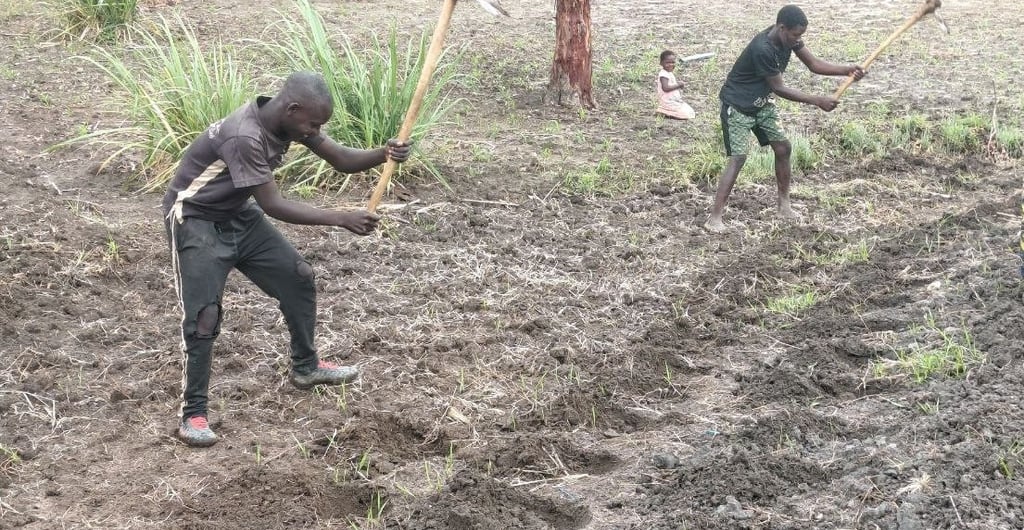

Contour and box ridges help farmers capture rainwater and prevent soil erosion. © Mikaïla Issa (NORCAP)
Crop diversification further strengthens resilience. Instead of relying solely on maize, many farmers now incorporate legumes such as groundnuts and soybeans. These crops enrich the soil, spread climate risk, and offer additional food and income sources.
Alongside these soil restoration efforts, the ARCS Consortium Project is also advancing reforestation as a long-term response to climate change. Building on his new skills, Felix has already prepared seedlings and plans to plant more than 100 indigenous and exotic trees this rainy season. He is encouraging fellow farmers to join the initiative, stressing that tree planting not only improves air quality but also helps restore soil fertility for future generations. With each seedling he nurtures, Felix sees his community taking another meaningful step toward greater resilience and long-term sustainability.
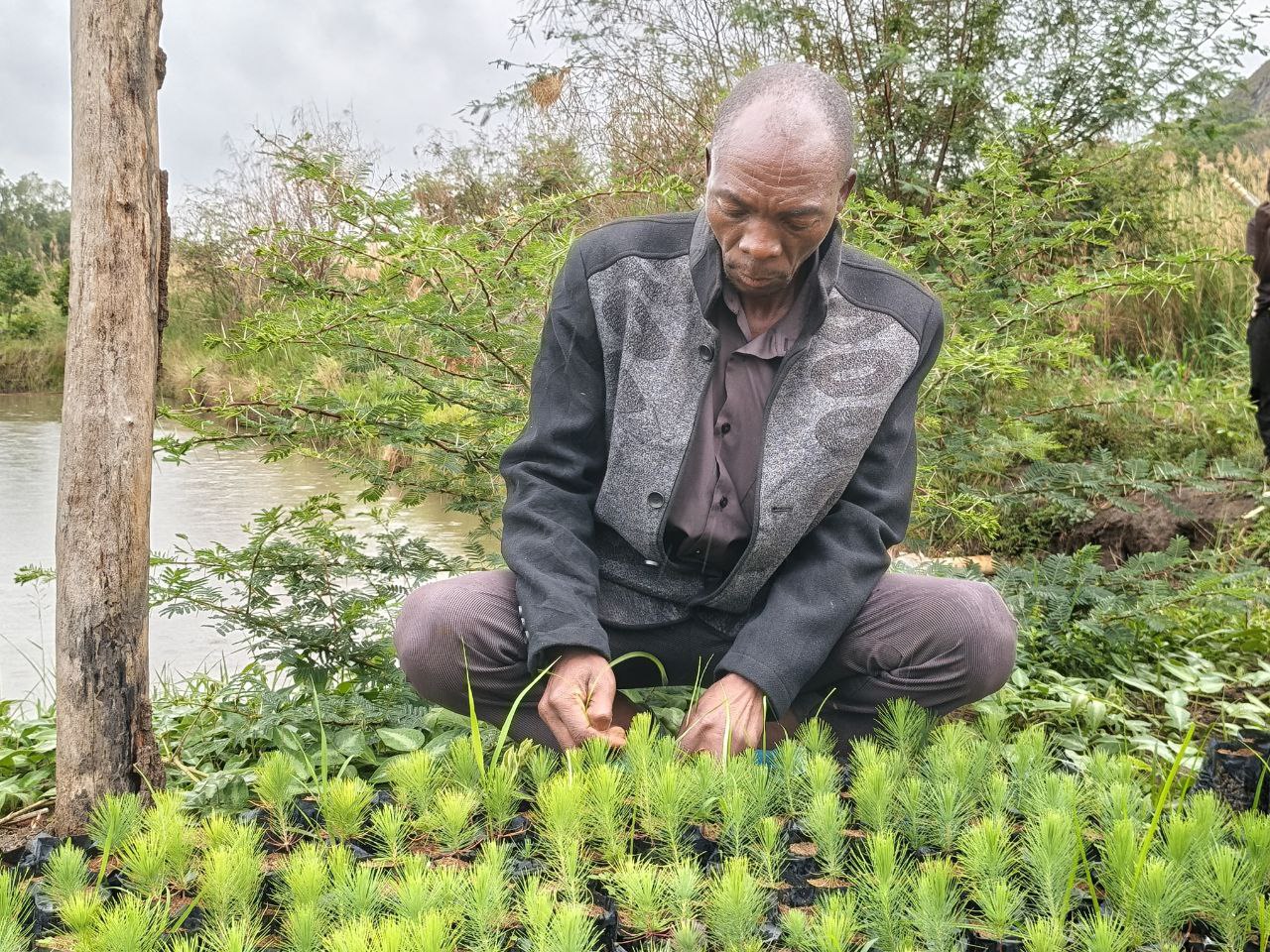
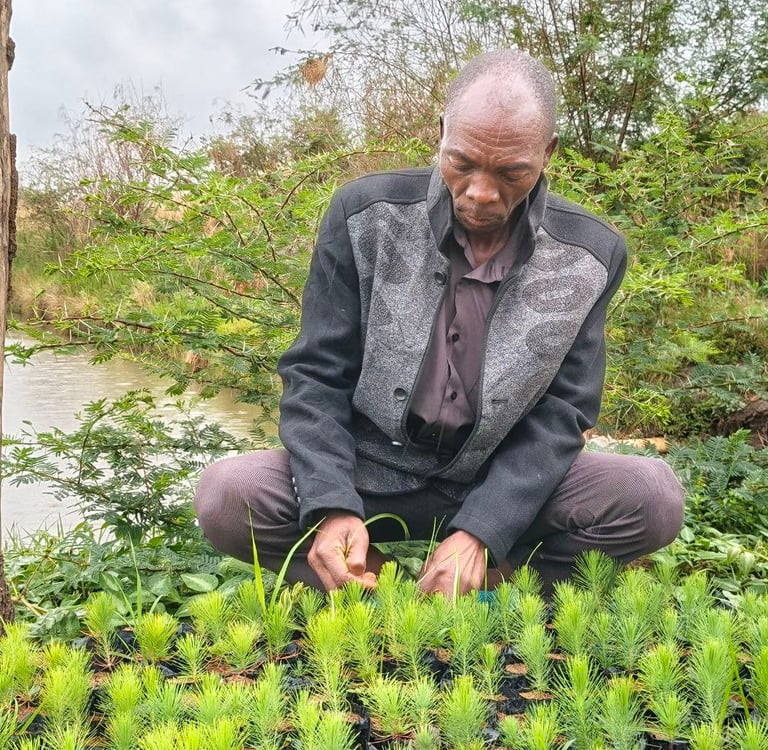
Crop diversification helps farmers spread climate risk and enrich the soil and improve food security. © Mikaïla Issa (NORCAP)
Through ARCS support, farmer-to-farmer learning facilitated by CEPA and FUM, and strengthened district-level climate advisories, Mzimba farmers are now making more informed and timely decisions. As the season progresses, they continue turning these adaptation insights into practical actions that strengthen sustainable resilience on their farms and within their communities.