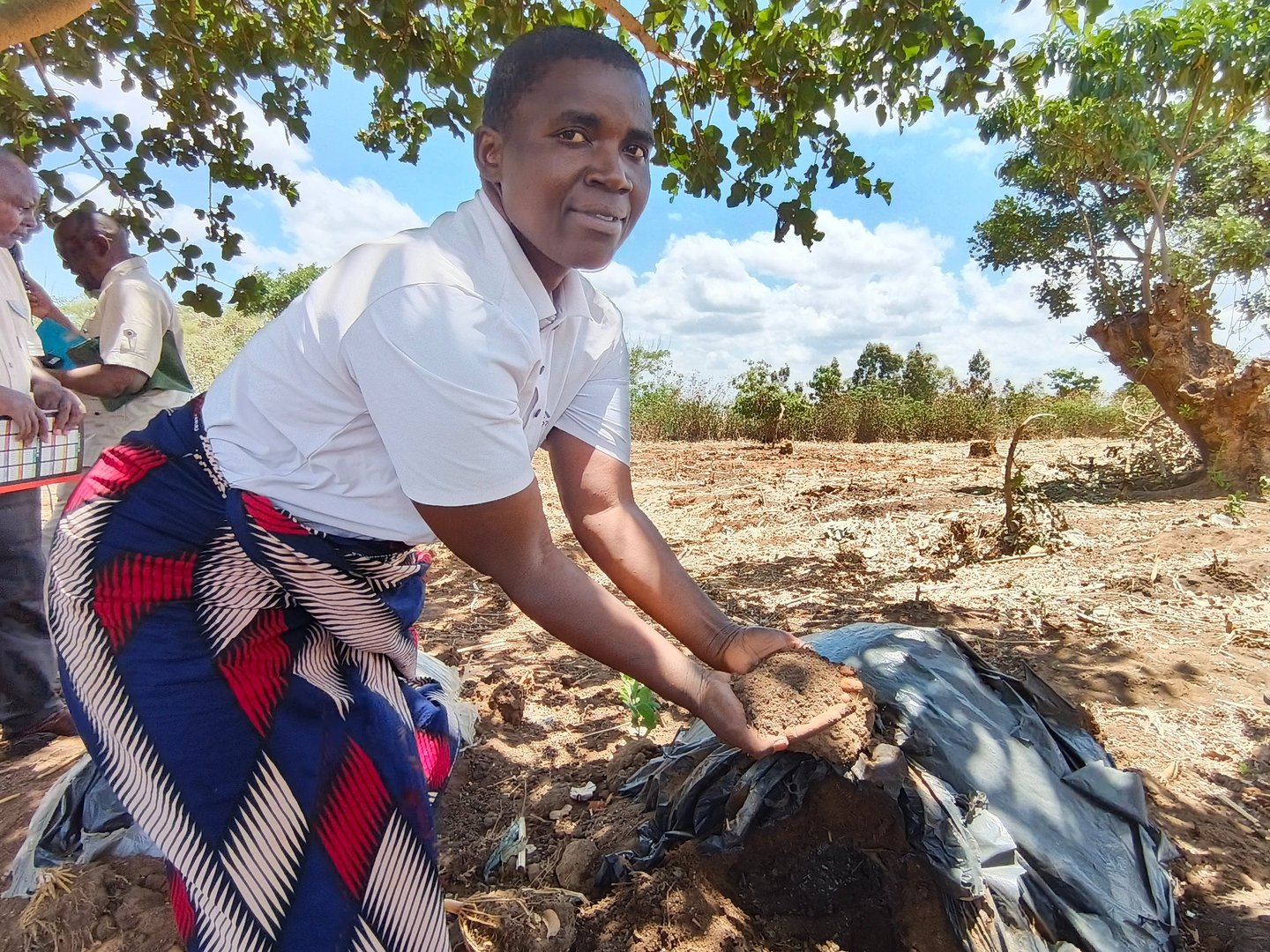
In villages like Mawalu, this shift is becoming visible in farmers’ fields. Through the Agricultural Resilience through Climate Services (ARCS) Consortium Project, smallholder farmers are gaining practical tools to bridge traditional rain-fed farming with more climate-smart approaches. ARCS supports farming communities to restore soil health, improve land preparation, and make better-informed decisions based on climate information that reduce both seasonal risks and production costs.
While Christina’s hands are firmly in the soil, her eyes are also on the sky.
“Understanding soil health is critical to building resilience at the farm level,” Christina often emphasizes. During community discussions, farmers have shared that composting has helped “bring the soil back to life” at a time when land productivity is under pressure and access to external inputs is increasingly limited.
In the rolling hills of Malawi’s Central Region, smallholder farmers in Ntchisi District are navigating a difficult reality shaped by erratic rainfall and rising chemical fertilizer costs. For generations, farming in the district has depended almost entirely on seasonal rains. Today, however, climate change is making rainfall patterns increasingly unreliable, placing food production and household livelihoods at greater risk. As a result, communities are moving beyond short-term coping strategies toward building more durable, household-level resilience.
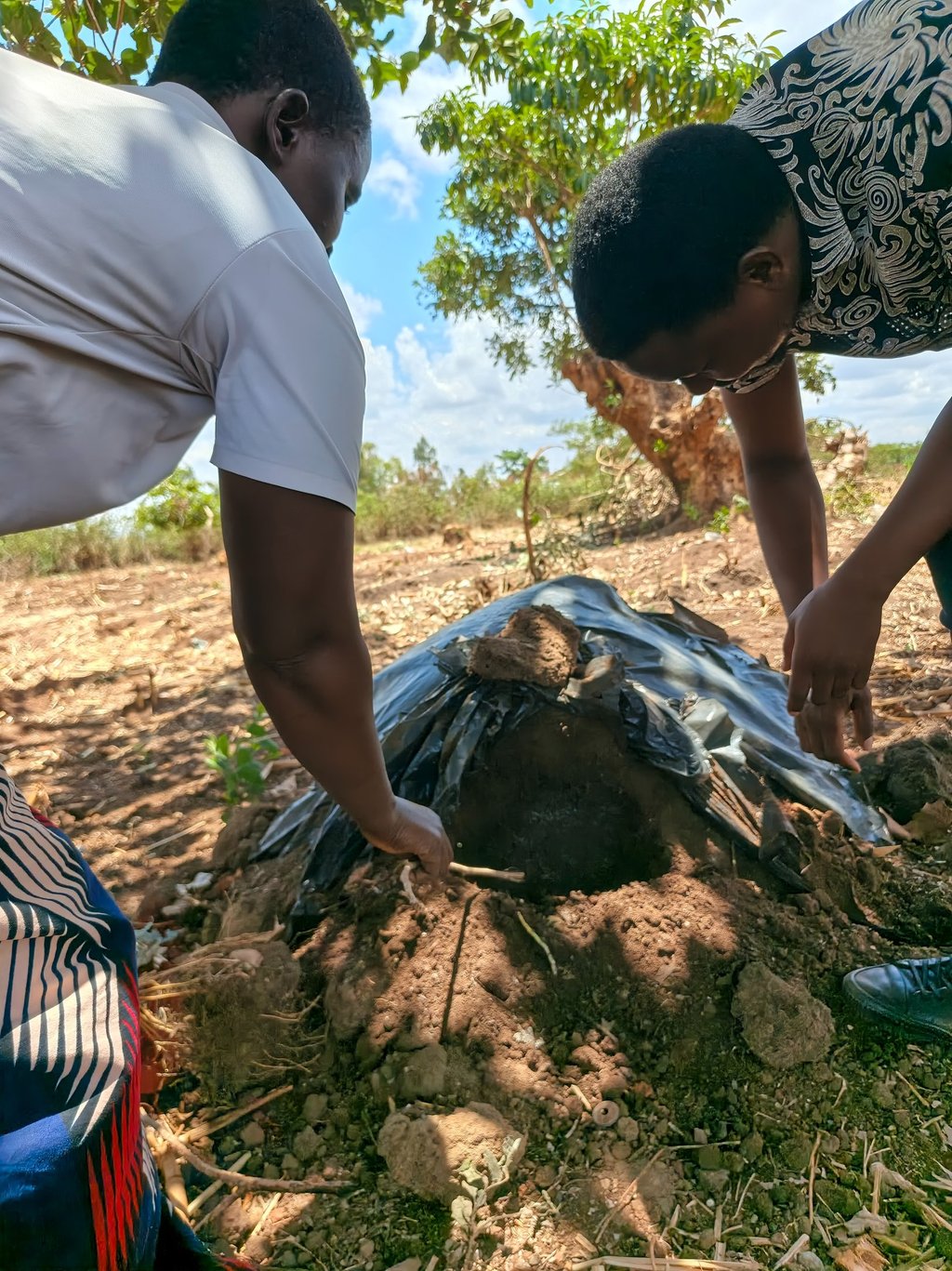
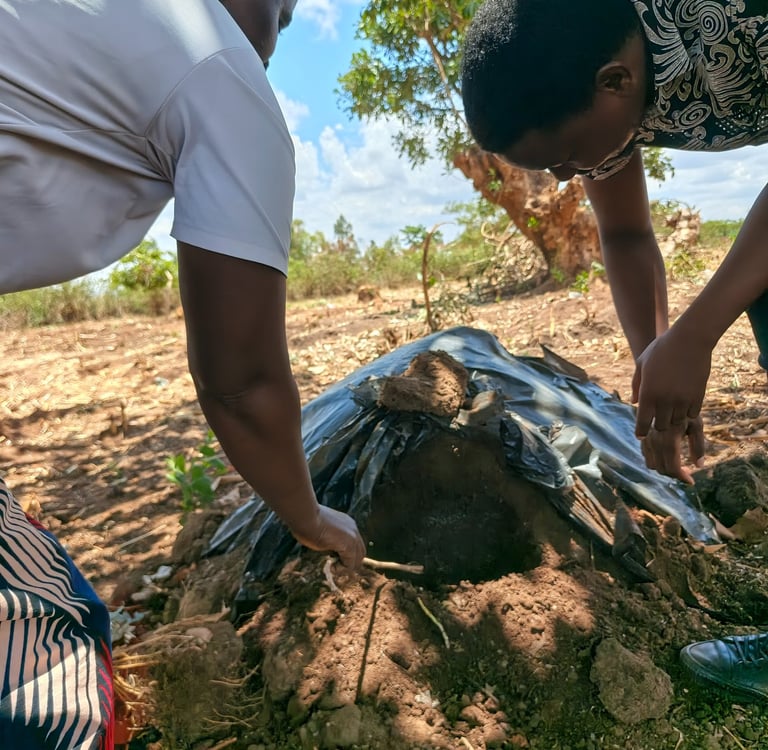
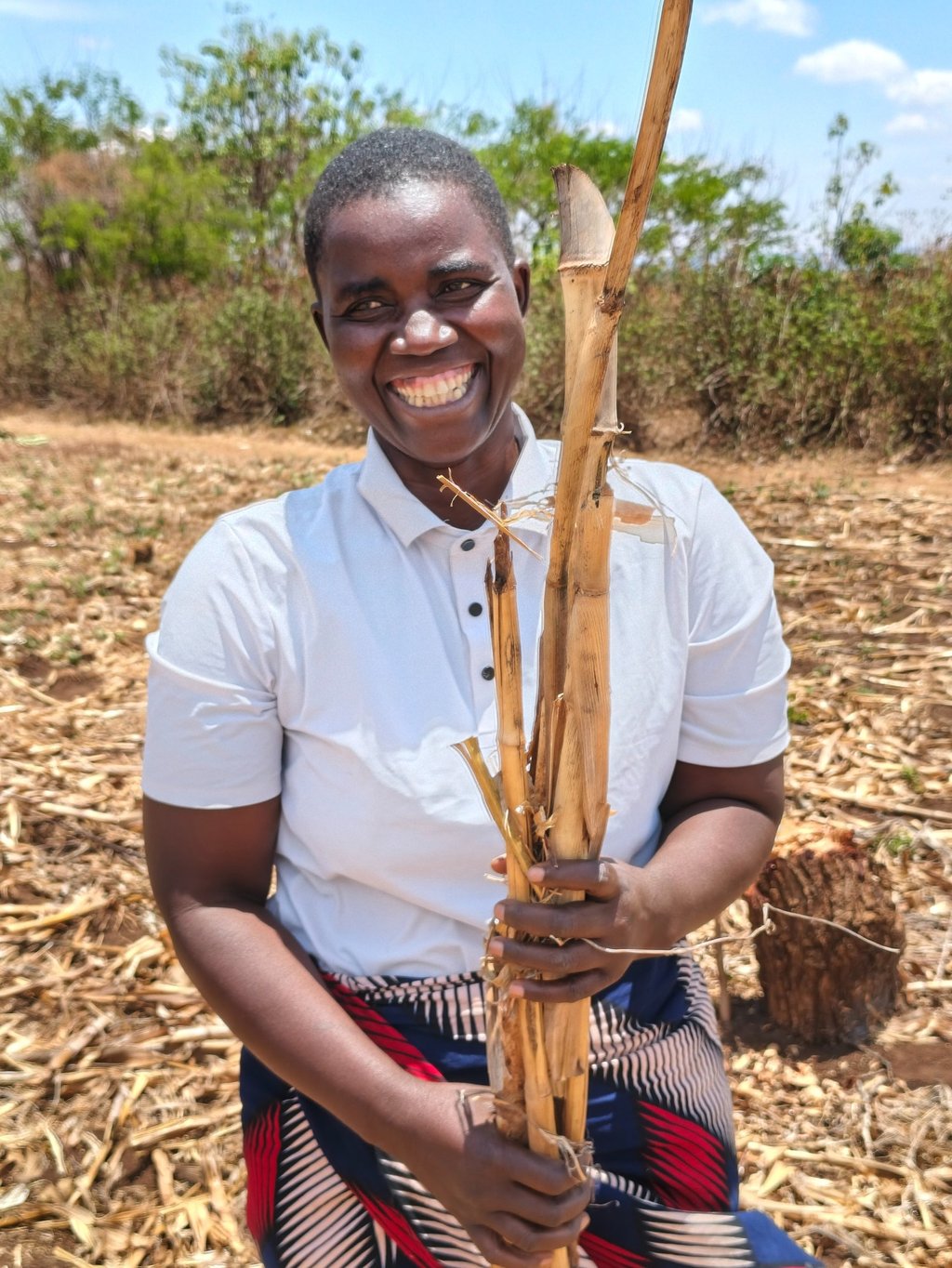
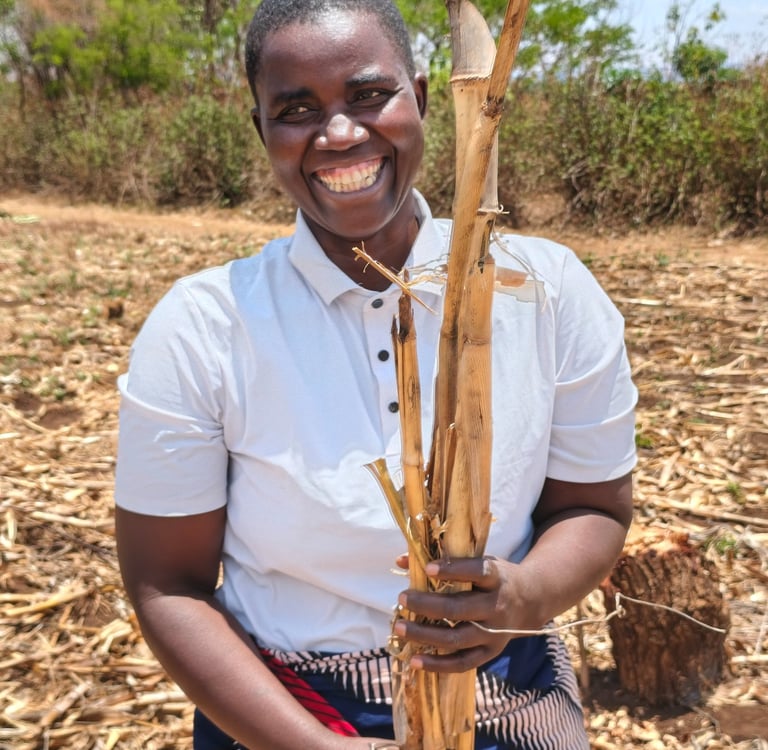
Christina demonstrates the pit composting process, turning locally available materials into “black gold” that restores soil fertility. © Mikaïla Issa (NORCAP)
While Christina’s hands are firmly in the soil, her eyes are also on the sky. A critical component of the ARCS Consortium Project is strengthening farmers’ access to Climate Information Services (CIS). In collaboration with the Department of Climate Change and Meteorological Services (DCCMS), ARCS supports the production and dissemination of seasonal forecasts and agrometeorological advisories through Extension Planning Areas (EPAs) and community meetings. These advisories enable farmers to adjust land preparation, select appropriate crops that match the forecasted rainfall, and plan planting schedules in response to evolving climate conditions.
The Lead Farmer model relies on community trust to accelerate the adoption of climate-smart practices. © Mikaïla Issa (NORCAP)
Across Ntchisi District, ARCS implementing partners—including the Centre for Environmental Policy and Advocacy (CEPA) and Total LandCare (TLC)—are coordinating their efforts within farming communities. Led by the Development Fund (DF), this locally driven approach places the adoption of climate-smart practices at the centre of sustaining livelihoods.
For Christine and her fellow farmers, resilience is taking shape through healthier soils enriched with “black gold,” decisions guided by timely climate information, and farming systems better prepared to cope with the realities of a changing change.
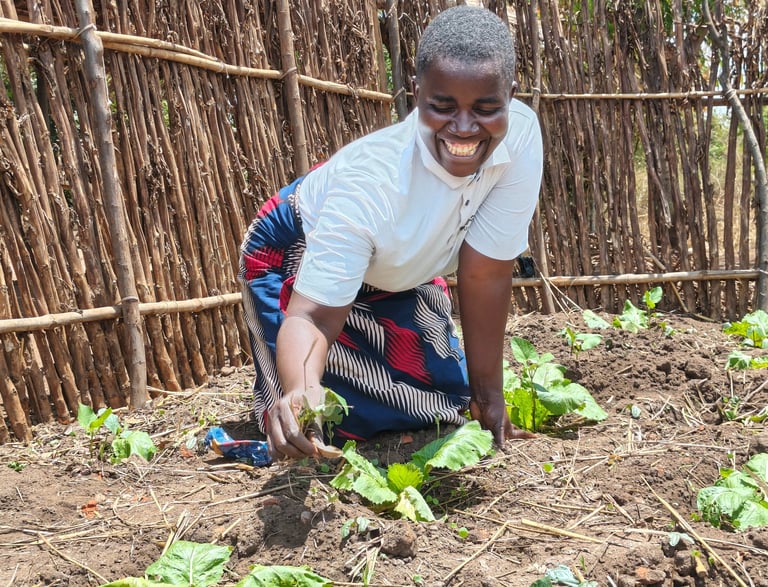
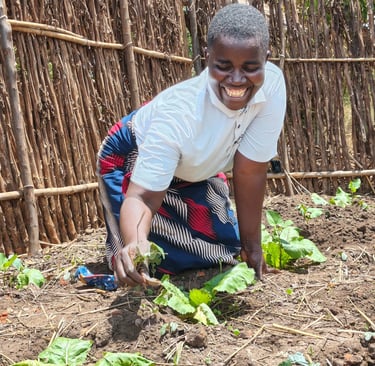
Organic manure improves soil structure and moisture retention, supporting crops during dry spells. © Mikaïla Issa (NORCAP)
From Soil to Sky:
The “Black Gold” Growing Climate-Smart Resilience
in Ntchisi
Central to this transformation is Christine Kamtuliro, a 41-year-old Lead Farmer from Mawalu village. Widely respected for her practical and inclusive approach, Christine works closely with fellow farmers to translate climate-smart agriculture (CSA) principles into everyday practices that are adapted to local conditions.
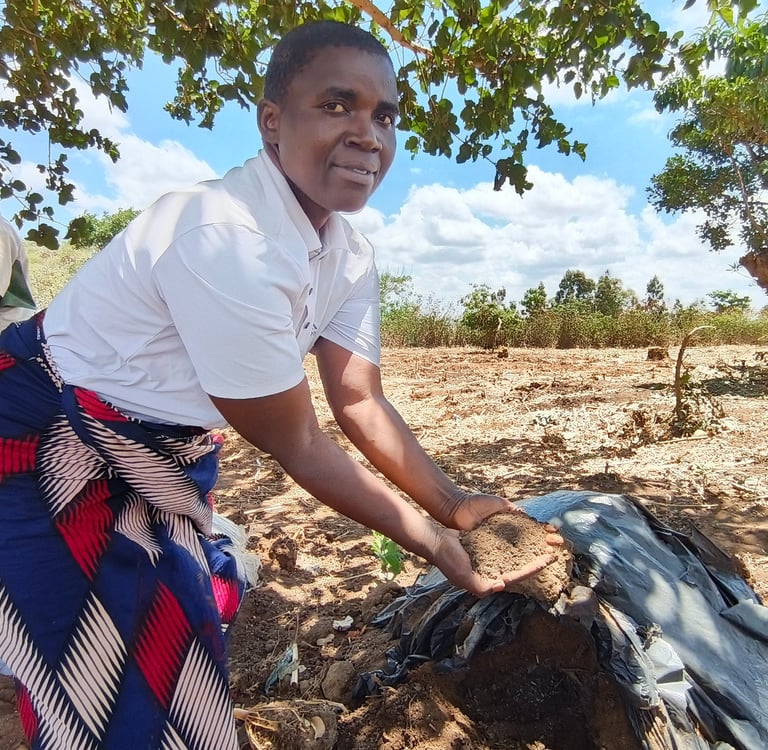
On her field, Christina introduces farmers to what she calls “black gold”, a nutrient-rich organic manure produced through pit composting and locally available inputs. As access to chemical fertilizers becomes increasingly limited, this low-cost alternative is gaining importance.Through farmer-to-farmer learning sessions, she demonstrates how this “black gold” rebuilds soil structure, improves moisture retention, and supports crop survival during frequent dry spells.
Christine plays a key role as a bridge, sharing this information during community gatherings so that farmers without access to radios or mobile phones are not left behind. For the Mawalu community, this climate information has become an essential tool for reducing losses and safeguarding their livelihoods.
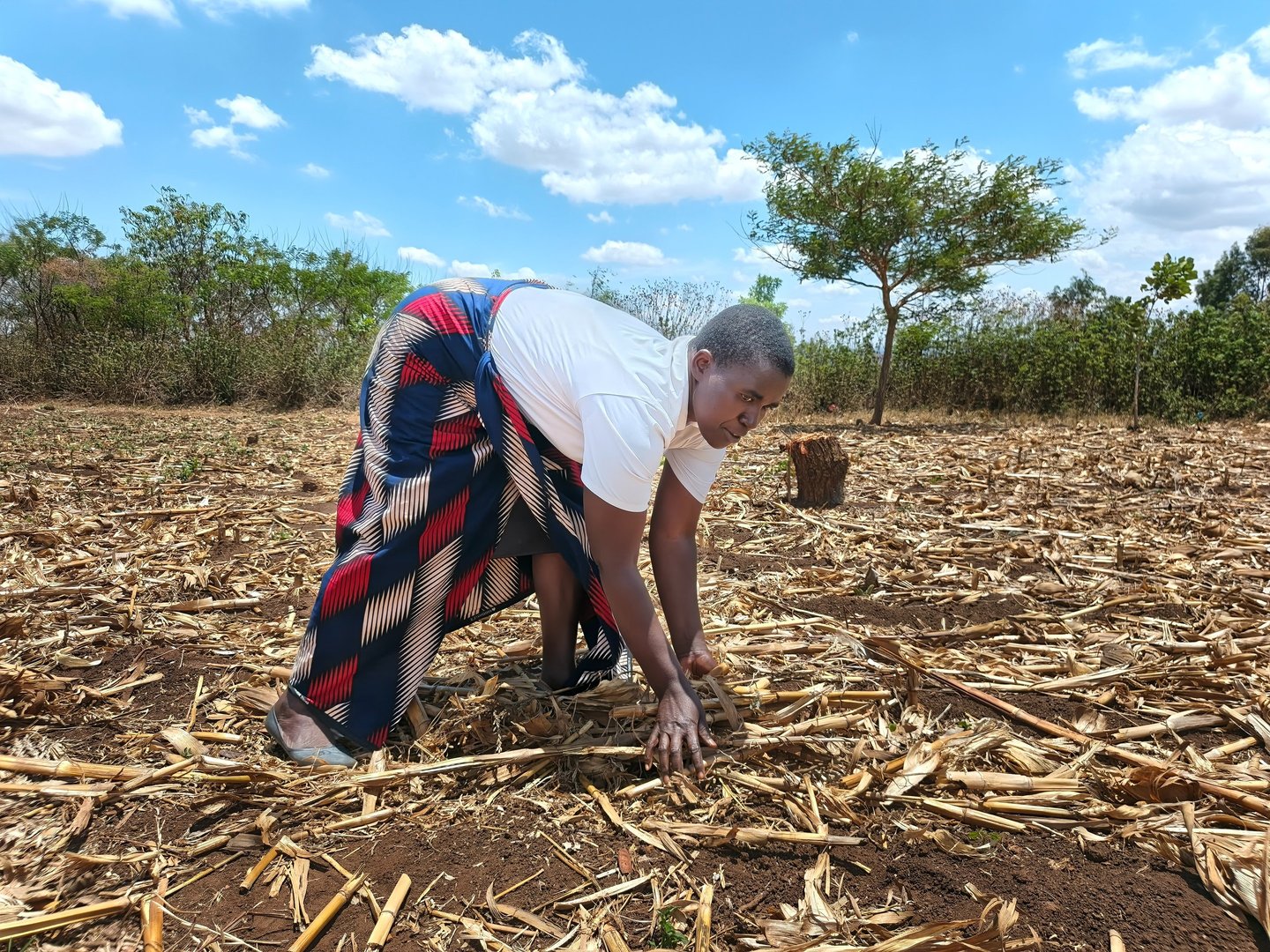
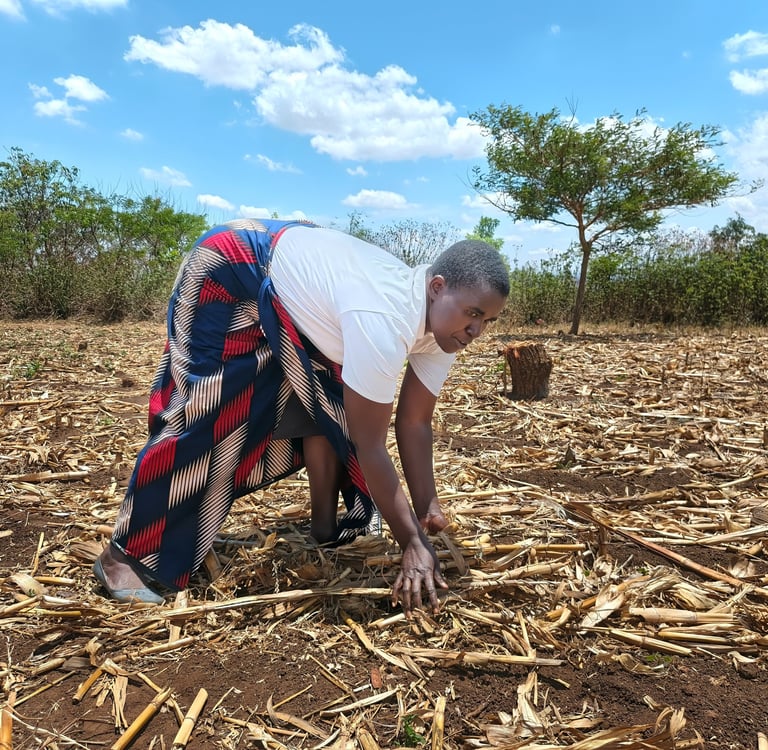
Christina Kamtuliro, Lead Farmer in Ntchisi District, prepares her field using climate-smart practices that focus on soil preservation and moisture management under ARCS. © Mikaïla Issa (NORCAP)