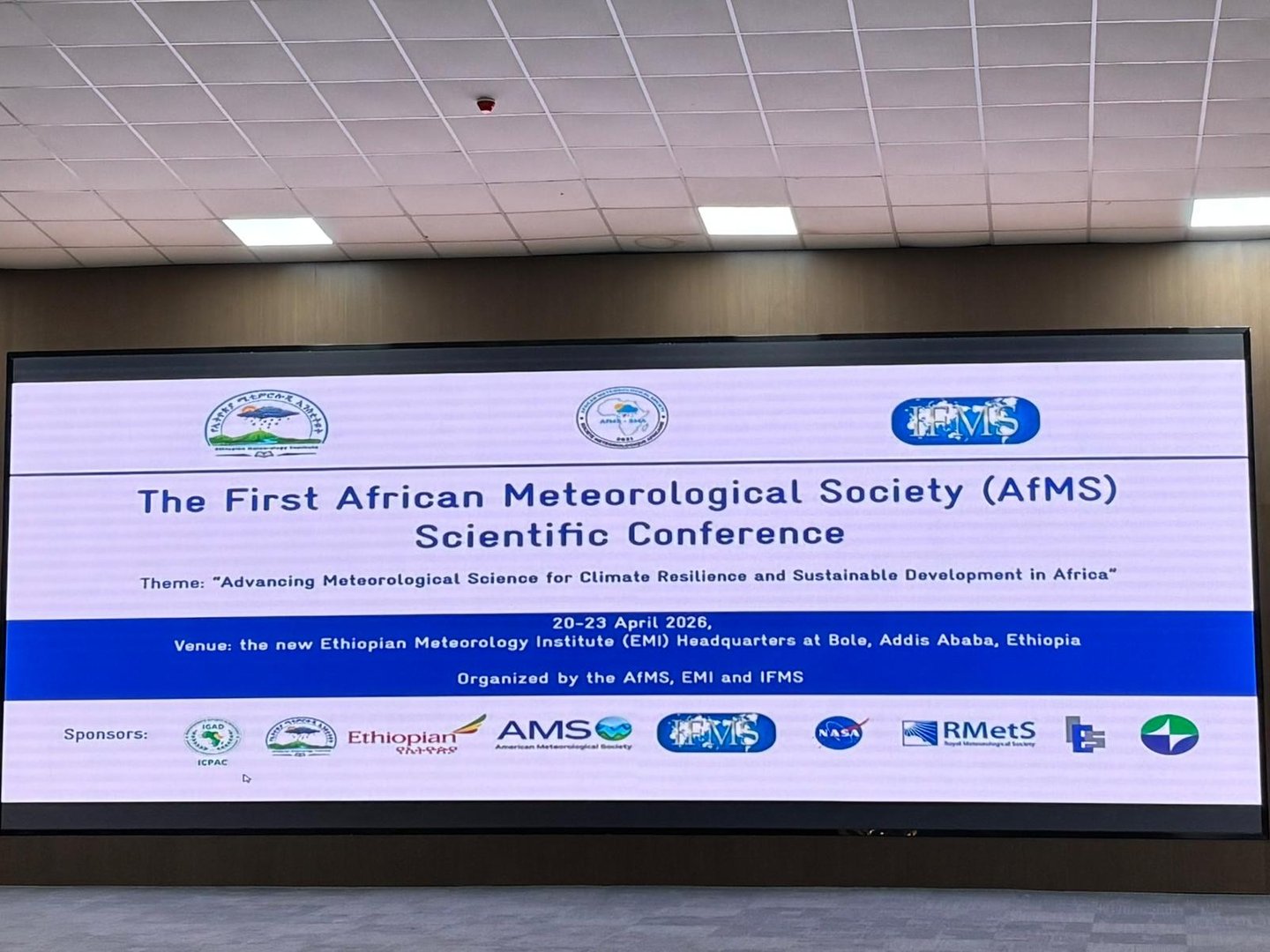
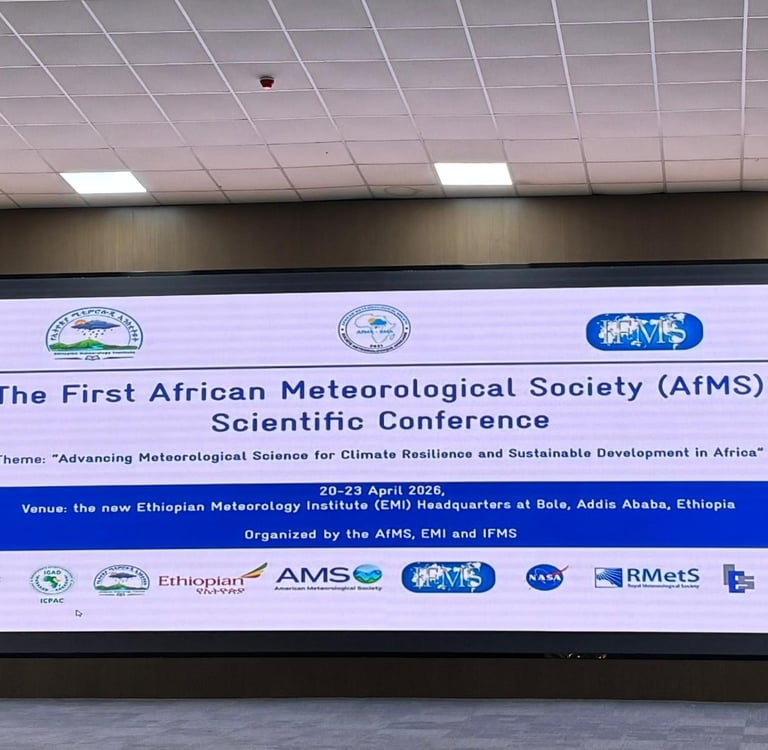
Held from 20–23 April 2026 under the theme "Advancing meteorological science for climate resilience and sustainable development in Africa," the conference brought together actors shaping the future of climate services across the continent. For the ARCS Consortium, the gathering was an opportunity to share learning, strengthen partnerships, and contribute to discussions on how climate information can better support food security, livelihoods, disaster risk reduction, and long-term resilience.
As light rain fell over Addis Ababa, meteorological institutions, researchers, governments, regional centres and development partners gathered under one roof for a landmark moment: the first joint conference of the African Meteorological Society (AfMS), the International Forum of Meteorological Societies (IFMS) and the Ethiopian Meteorological Institute (EMI).
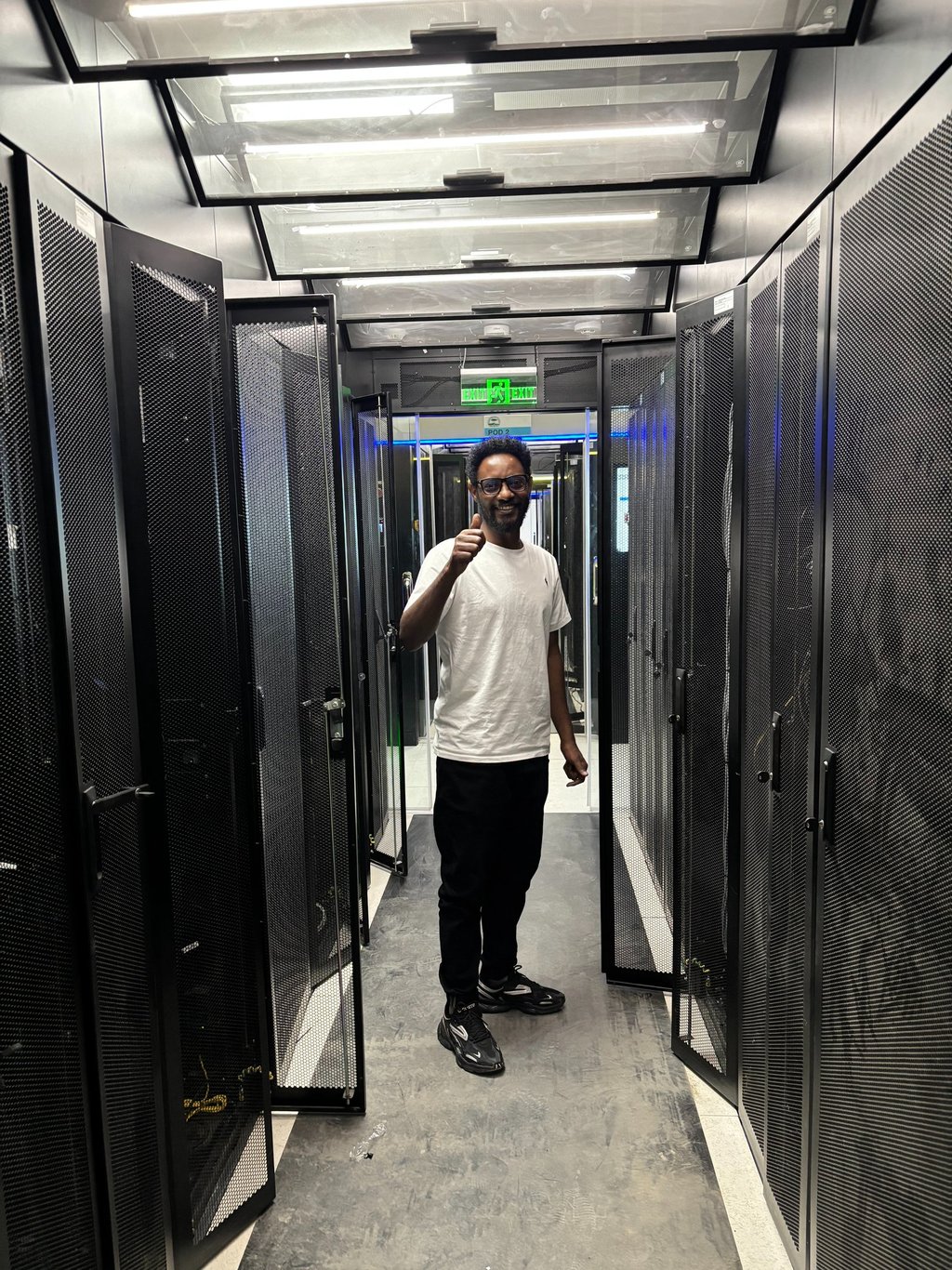
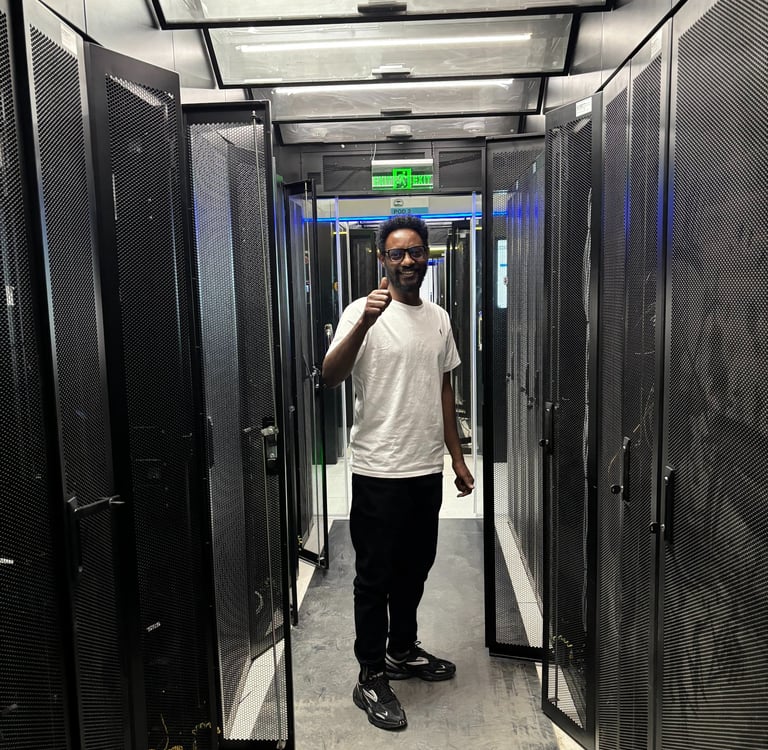
Hosted by the Ethiopian Meteorological Institute, a key ARCS partner in Ethiopia, the conference also highlighted the growing leadership of national meteorological institutions. During the visit, the delegation toured EMI’s new state-of-the-art data centre — a major milestone for forecasting, data management and climate service delivery, supported through NORCAP’s long-term technical partnership with EMI.
NORCAP ICT Infrastructure Expert, Abdissa Getachew, has been instrumental in establishing the data center.
ARCS at the First Joint AfMS Conference :
Turning Climate Data into Action for Resilience
Connecting climate information to agricultural resilience
ARCS was represented through its consortium model, bringing together NORCAP as lead of the Consortium and institutional capacity strengthening, the Development Fund of Norway, and the NORCAP Climate Change Specialist supporting Food and Agriculture Organization (FAO) and ARCS. The team contributed to discussions on strengthening climate services, early warning systems, seasonal forecasting, disaster monitoring and digital transformation. This reflected the value of the ARCS consortium model: combining technical expertise, strategic coordination and embedded partnership support to help institutions deliver climate services where they are needed most.
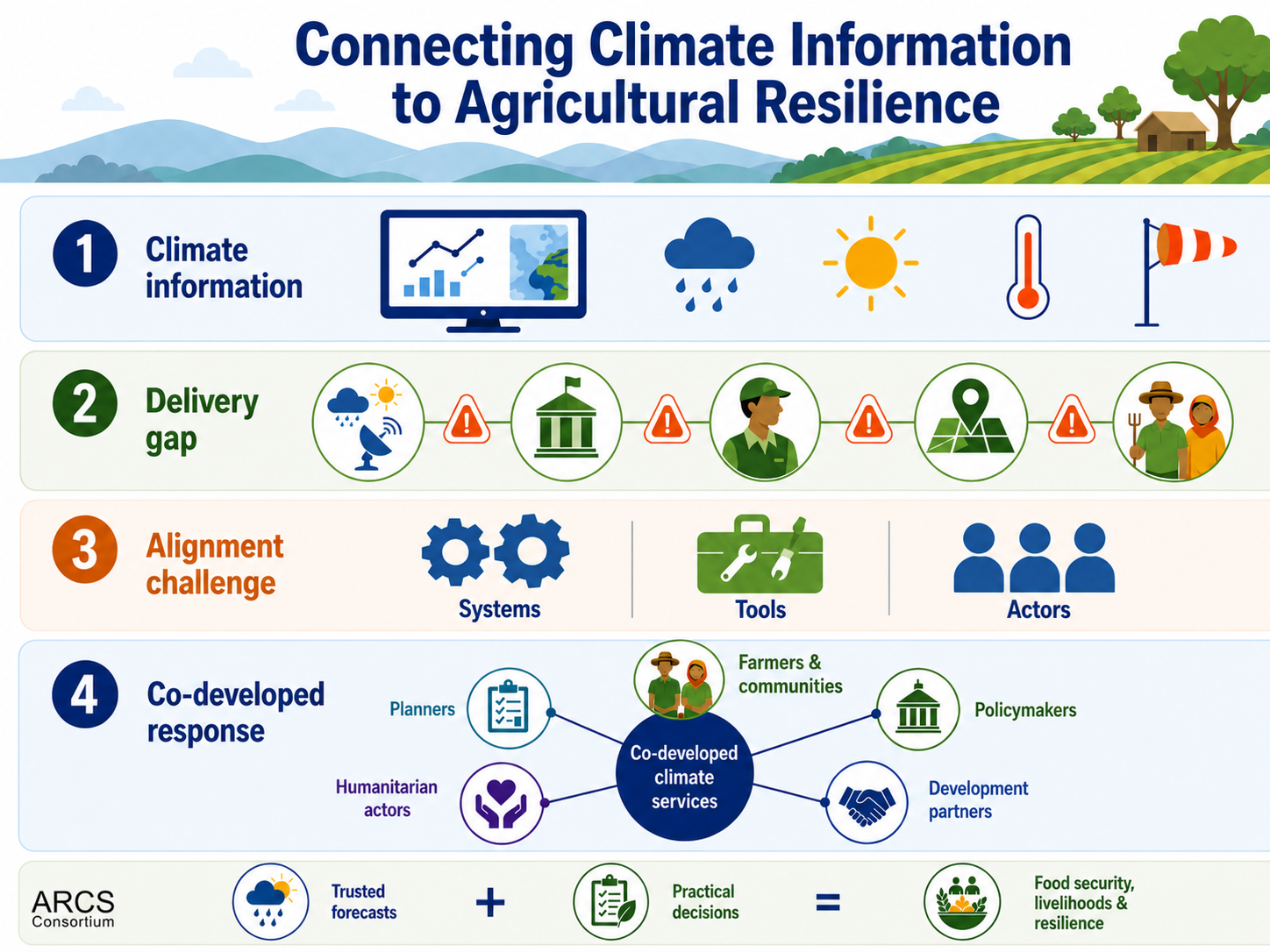
For ARCS, this is where partnership matters. Climate services must be co-developed with the people and institutions that use them — from farmers and local communities to planners, policymakers, humanitarian actors and development partners. Forecasts and early warnings are most powerful when they are trusted, understood and connected to practical decisions that support food security, livelihoods and resilience.
Partnership at work
Strengthening collaboration with key partners
NORCAP and FAO meet in Addis Ababa to discuss collaboration on climate services, agriculture and resilience in Ethiopia.
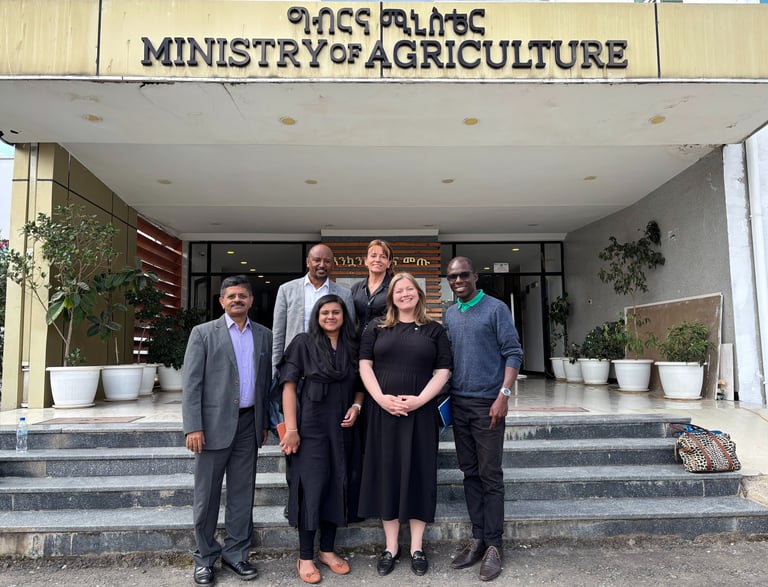
On the margins of the conference, ARCS and NORCAP engaged directly with partners central to its work in Ethiopia, including EMI, FAO, the Development Fund and the Ethiopian Ministry of Agriculture. These exchanges reinforced the importance of sustained collaboration between climate information providers, agricultural actors and decision-makers.
Discussions focused on how climate services can better support agricultural planning, early action, and resilience-building. They also underlined the need to strengthen national institutions, improve coordination, and ensure that climate information is translated into guidance that can inform real decisions on the ground. Mr. Fetene Teshome, Director General of EMI, recognized the contribution of partnerships like NORCAP and ARCS to strengthening national meteorological services.
As climate risks intensify, inclusive platforms like AfMS are critical. They create space for science, policy and implementation to meet — and help build the partnerships needed to turn climate data into action for food security, livelihoods and resilience.
"Climate services struggle not because of lack of effort, but because systems, tools and actors are not always aligned."
The conference highlighted a central challenge: climate information is increasingly available, but it does not always reach the people who need it most in a timely, accessible and usable form. Forecasts and early warnings produced by national services do not always travel smoothly to ministries of agriculture, extension officers, district-level decision-makers or the communities whose livelihoods depend on them. This gap between climate science and practical decision-making remains one of the key barriers to turning information into action. Drawing on learning from the implementation of ARCS activities, Consortium Manager Renata Jagustovic reflected on this challenge during the conference. Climate services struggle not because of lack of effort, but because systems, tools and actors are not always aligned.
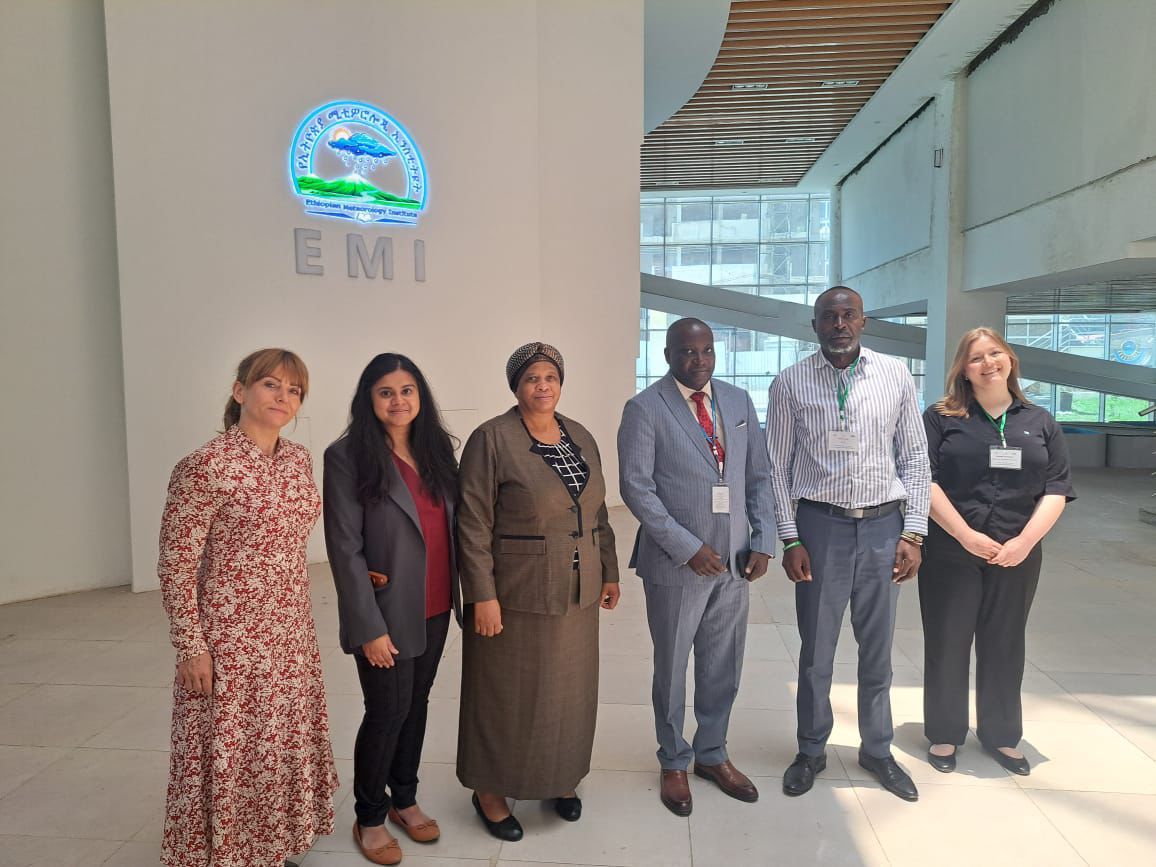
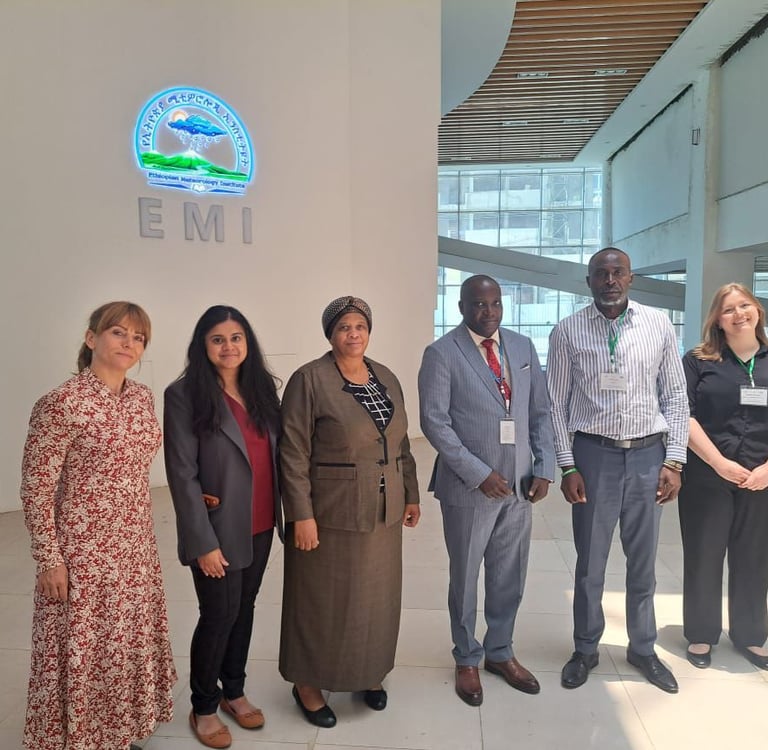
Dr. Agnes Kijazi, Director of the WMO Regional Office for Africa, 4th from left, with NORCAP representatives at the AfMS conference in Addis Ababa, where institutional partnerships took centre stage.


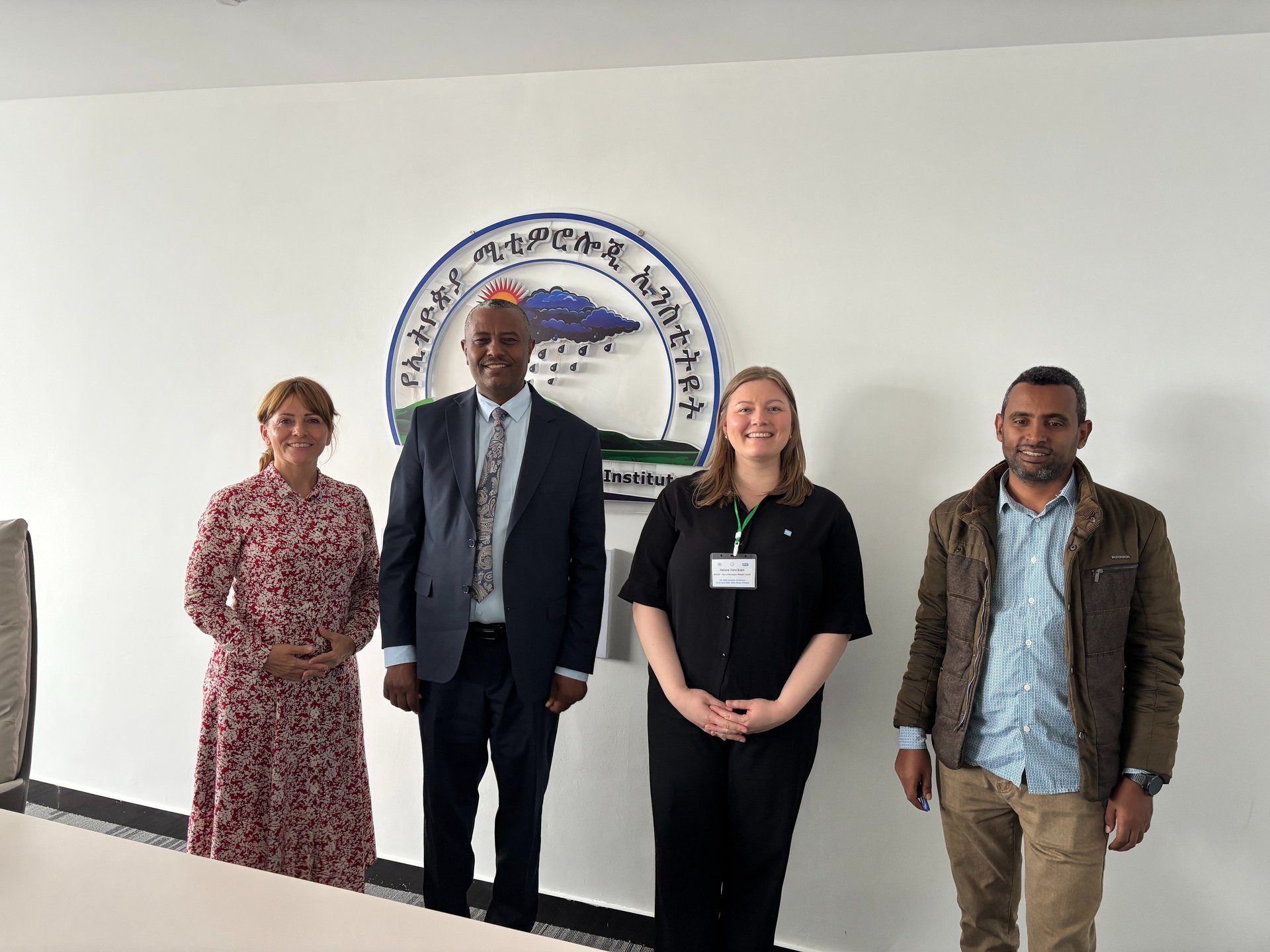
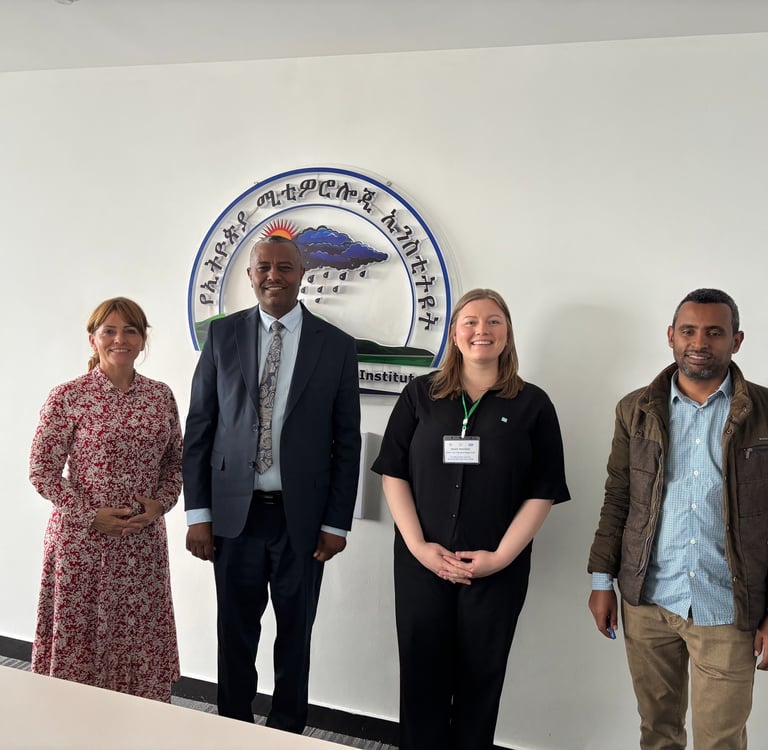
NORCAP and the ARCS Consortium meets with Mr. Fetene Teshome, Director General of EMI, 2nd from left, to discuss progress in strengthening climate services in Ethiopia.