With support from the Agricultural Resilience through Climate Services (ARCS) Consortium Project, farming communities are adapting their practices to cope with these changing conditions. At the centre of this transformation is Elina Ngwira, a 51-year-old mother of four from Mtampha Village. As a Lead Farmer, Elina is helping her community better understand how soil management, water conservation, and climate information work together to secure harvests and strengthen livelihoods.
"I view my farm as both food and a business," Elina explains. "If one crop struggles because of the weather, another can still provide for my children and keep our income steady."
For generations, farming in Rumphi District, in Malawi’s Northern Region, has followed the rhythm of the rains. Today, that rhythm is increasingly uncertain. As rainfall patterns become more erratic, smallholder farmers are adjusting how they prepare their fields — making every informed decision count long before planting begins.
Healthy soils are central to climate adaptation, with organic practices helping retain moisture during dry spells. © Mikaïla Issa (NORCAP)
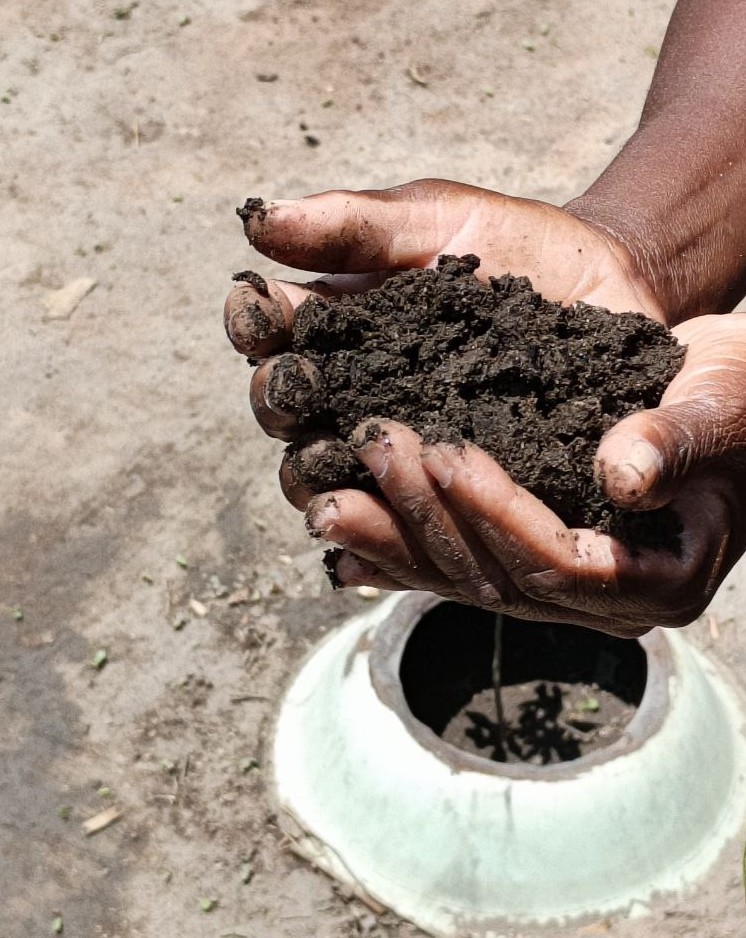
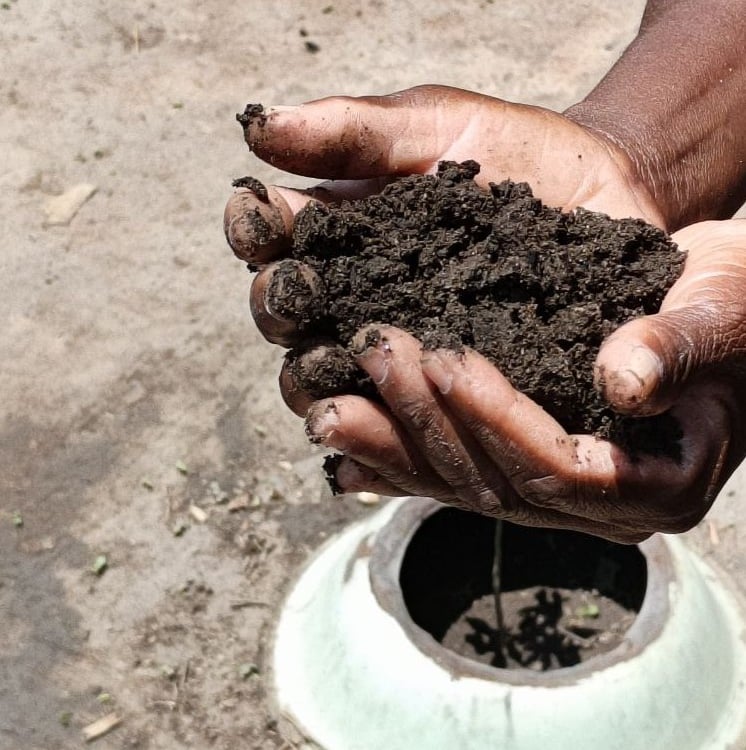
"Chemical fertilizer works, but when the rains come, the water usually disappears quickly," Elina says. "Mbeya manure keeps the soil moist even during long dry spells."
"Mbeya manure keeps the soil moisture even during long dry spells."


In an era of unpredictable climate, she has found that healthy soil is her strongest defense.
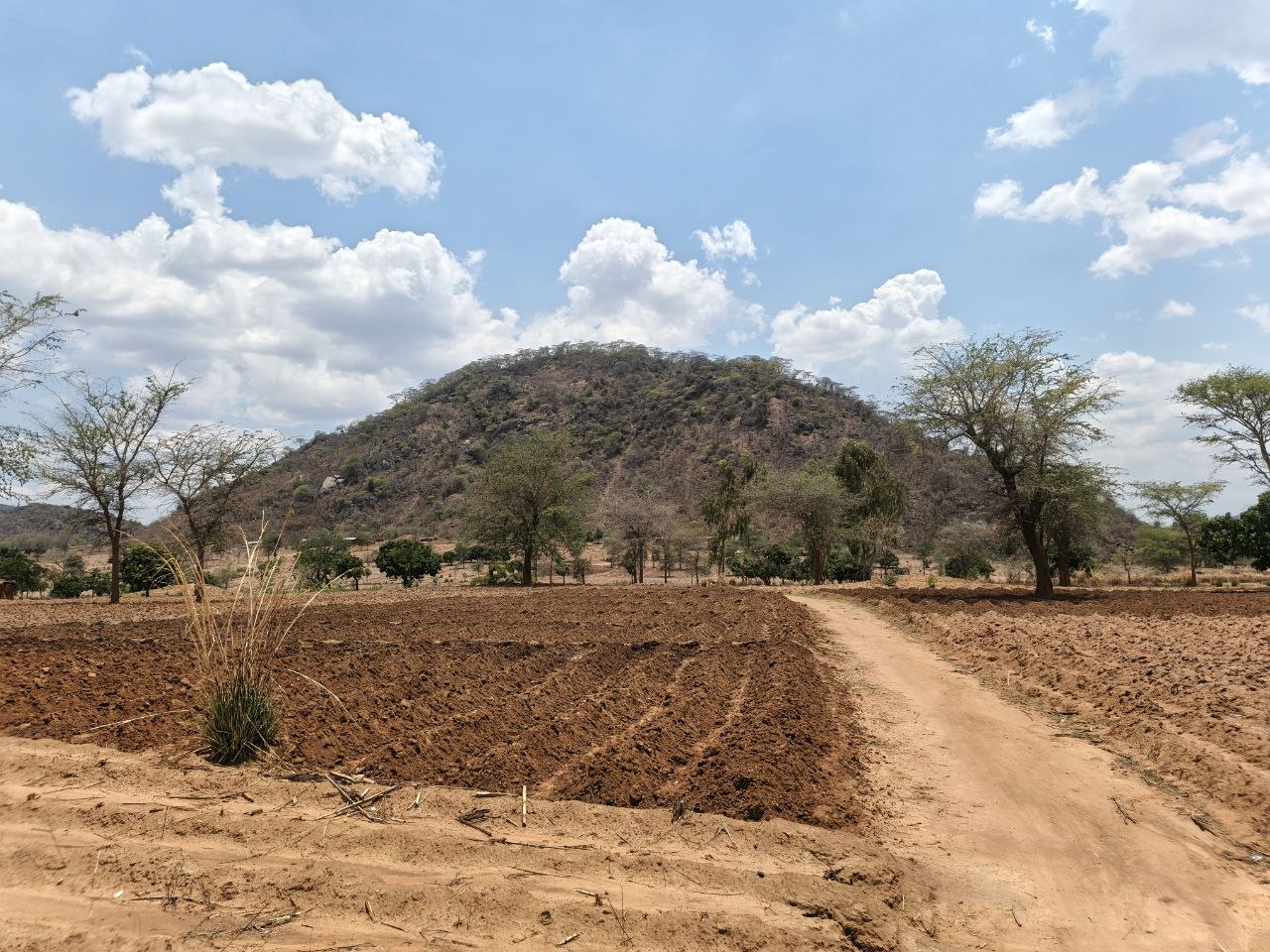
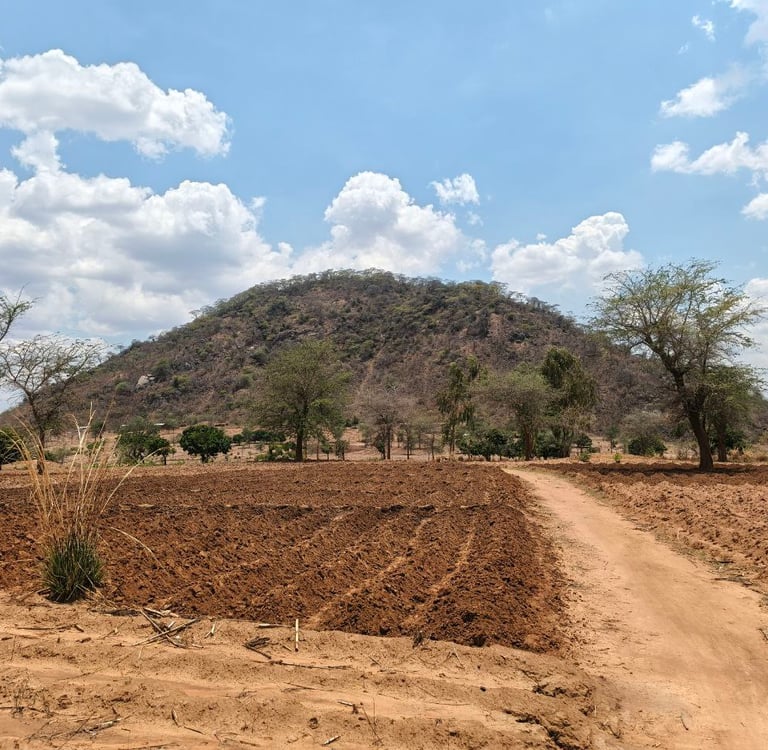
Box ridges are used to retain rainwater and reduce runoff, supporting climate-smart land preparation in Rumphi District. © Mikaïla Issa (NORCAP)
Every Drop Counts:
How Rumphi Farmers Use Climate Services as a Key Farming Tool
A Strategy to thrive and excel
This season, Elina’s 4.5-acre field reflects careful planning. Guided by climate advisories, she has made the strategic decision to move away from tobacco, a traditional cash crop that is becoming increasingly risky due to weather shocks.
One of the most transformative changes on Elina’s farm has been her shift from expensive chemical fertilizers to “Mbeya” manure—an organic blend made from everyday materials such as ash and maize bran, enriched with a small measure of inorganic fertilizer. Praised for its ability to hold moisture in the soil, this farmer-led innovation, born in the fields of Mzimba District, was pioneered by lead farmer Binwell Mbeya and has since spread from one farm to many across the country.
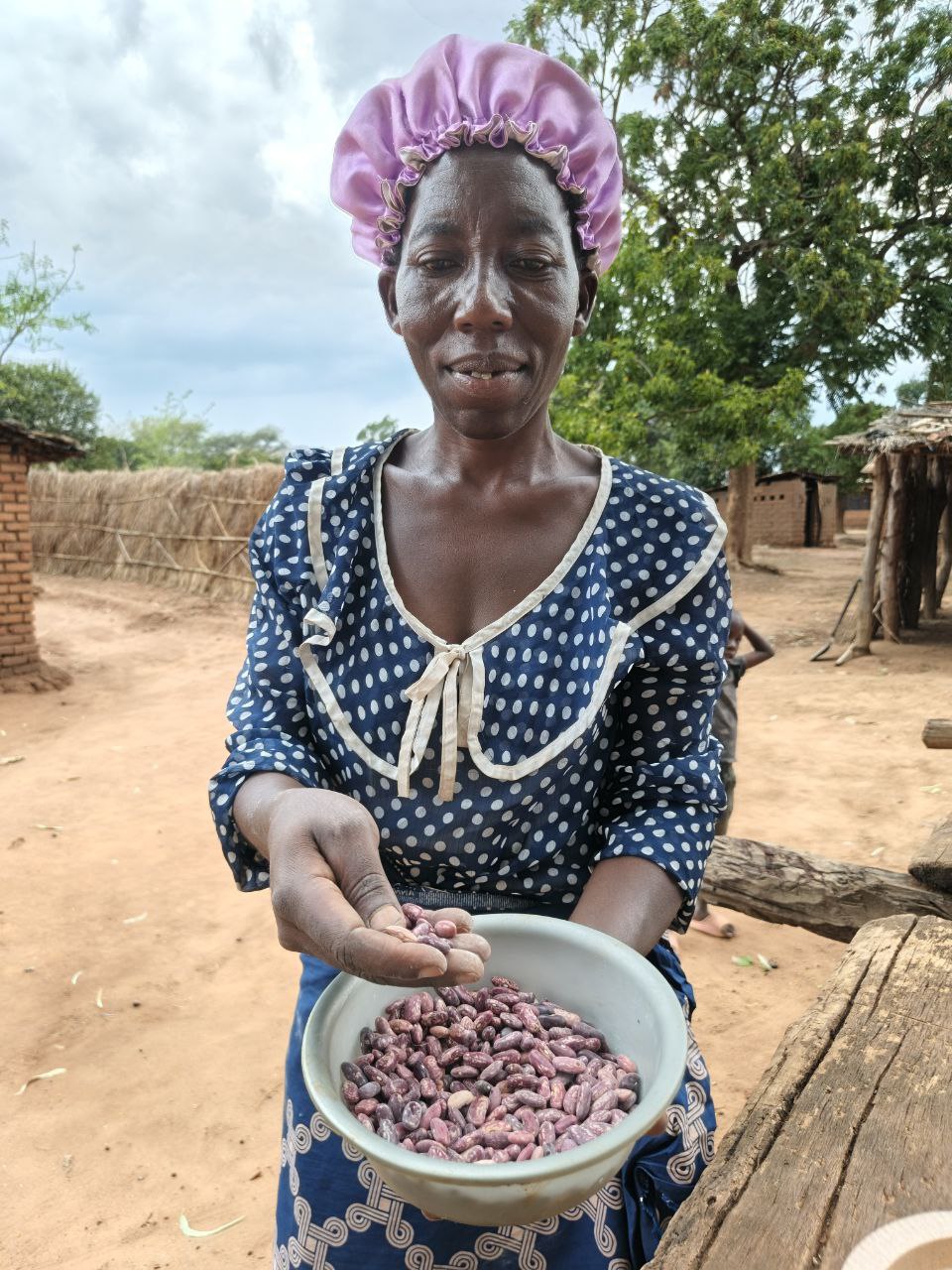
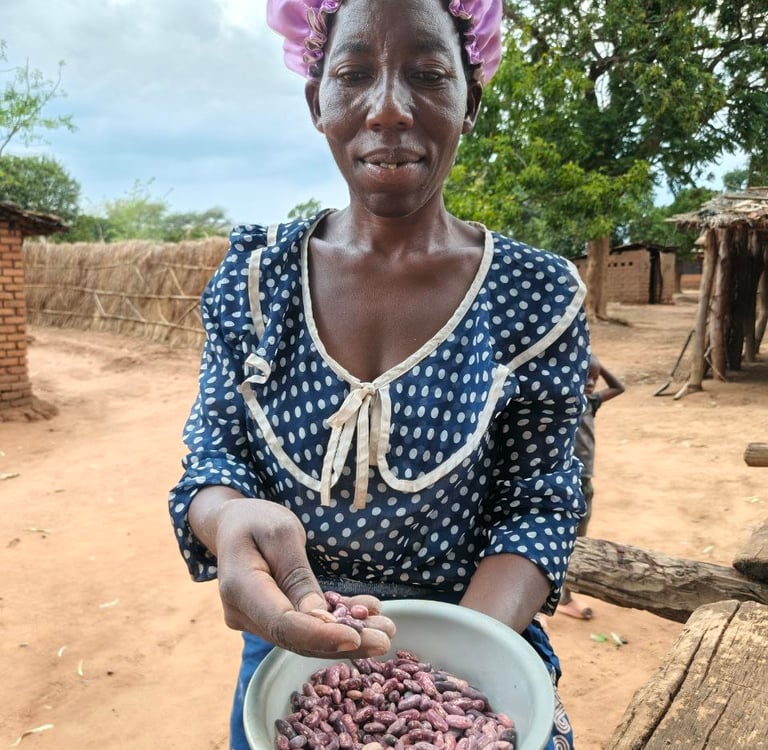
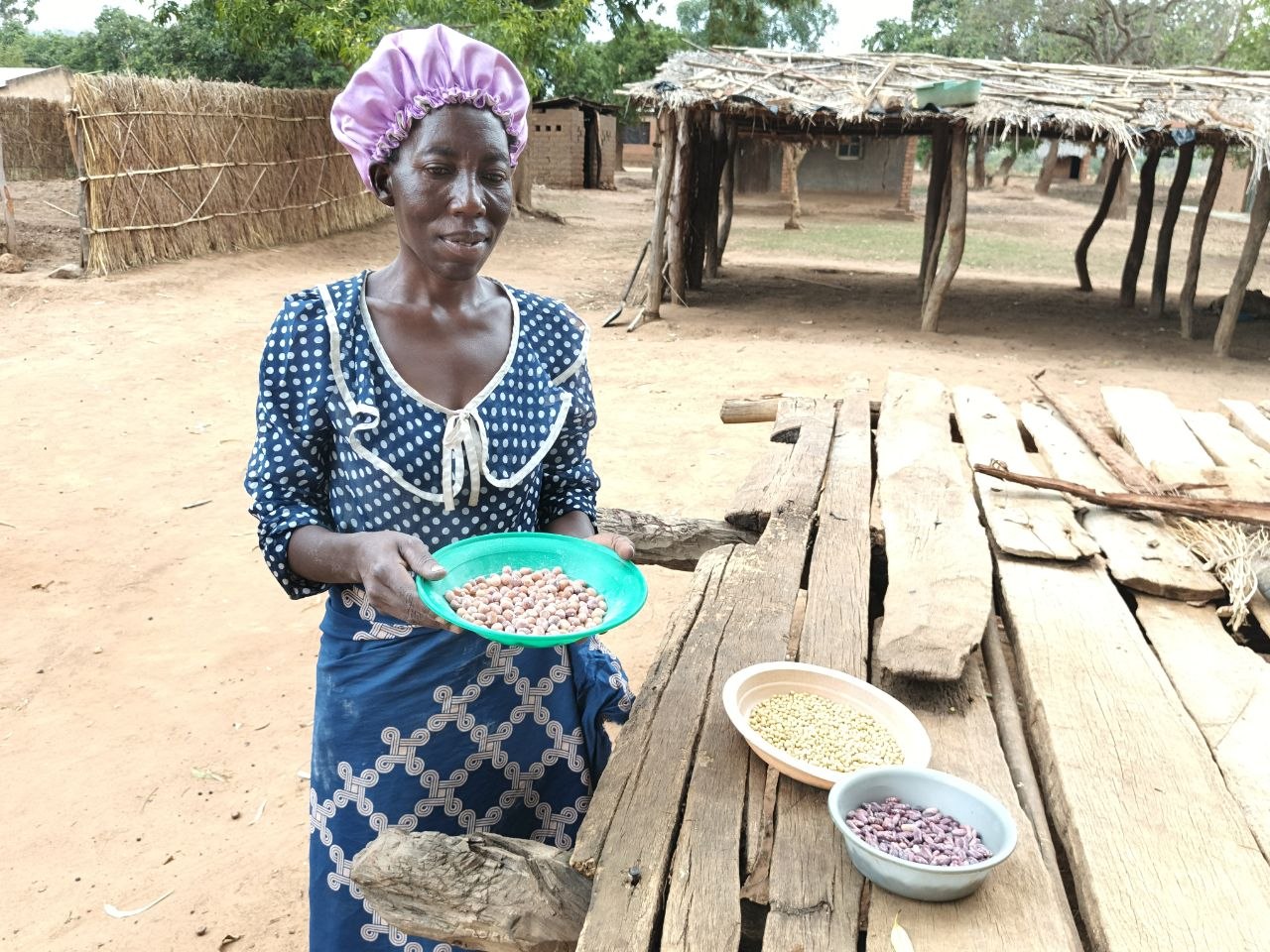
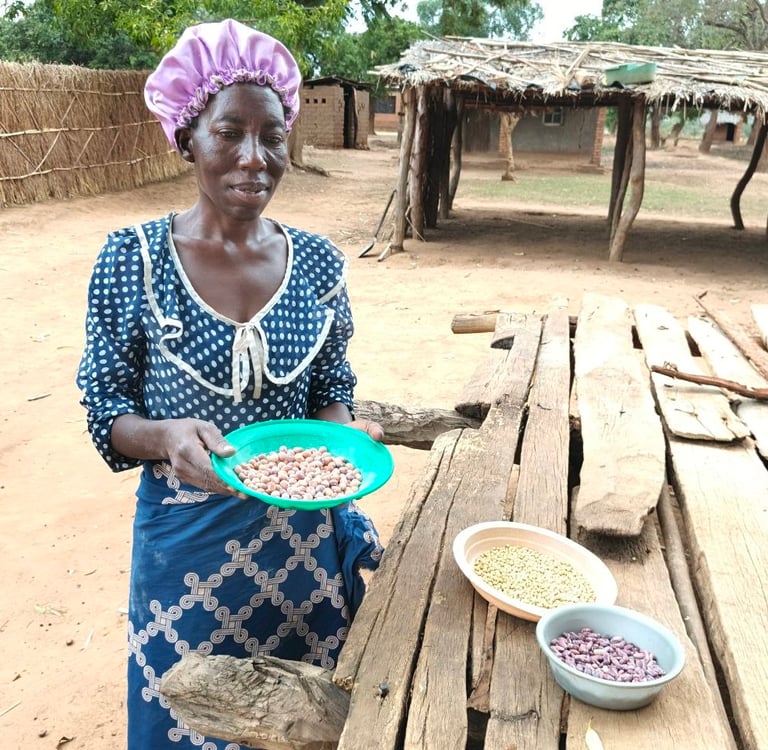
Elina Ngwira, Lead Farmer in Rumphi District, demonstrates how climate-informed seed selection helps secure harvests. © Mikaïla Issa (NORCAP)
Instead, she embraced diversity by growing a mix of hybrid maize, local maize, soya, and groundnuts. Bambara groundnut holds a special place in her farming system. Elina carefully saves these seeds each season and praises the crop for its strong tolerance to dry spells. By diversifying her crops, she has built a reliable "safety net" for her household.
The power of “Mbeya” manure
"If one crop struggles because of the weather, another can still provide for my children and keep our income steady."
Small drops, big impact
Climate adaptation is rarely a straight path. Although Elina was trained in mulching by the Farmers Union of Malawi (FUM) under the ARCS Consortium Project, applying the practice remains difficult in parts of Rumphi. Roaming livestock often consume crop residues, and accidental bushfires can destroy ground cover before it benefits the soil.
In response, farmers are turning to box ridges. These hand-dug structures act as small reservoirs, trapping rainwater where it falls and reducing runoff. Though it requires more physical labor, it ensures that every drop of rain is captured and stored where crops need it most.
Climate information as a farming tool
To stay ahead of climate variability, Elina relies on Climate Information Services (CIS) co-produced with the Department of Climate Change and Meteorological Services (DCCMS).
Farmer-led learning and climate information are strengthening confidence and adaptation in Rumphi District. © Mikaïla Issa (NORCAP)
Through the Centre for Environmental Policy and Advocacy (CEPA), she receives CIS voice messages in Tumbuka on her mobile phone and participates in training sessions that help her interpret seasonal forecasts and advisories.
“The climate advisories are vital for choosing the right seeds at the right time,” Elina notes.
While some farmers purchase seed before forecasts are released, she follows advisories that guide her toward varieties best suited to the prevailing local conditions.
Across Rumphi District, these practices reflect the growing influence of ARCS-supported climate-smart agriculture. By combining local knowledge, improved soil management, crop diversification, and timely climate information, farmers like Elina Ngwira are finding practical ways to secure reliable harvests and build a more resilient future.
Every drop of rain is captured and stored where crops need it most.
“The climate advisories are vital for choosing the right seeds at the right time.”